When Should Therapists Avoid Lymphatic Drainage Massage?
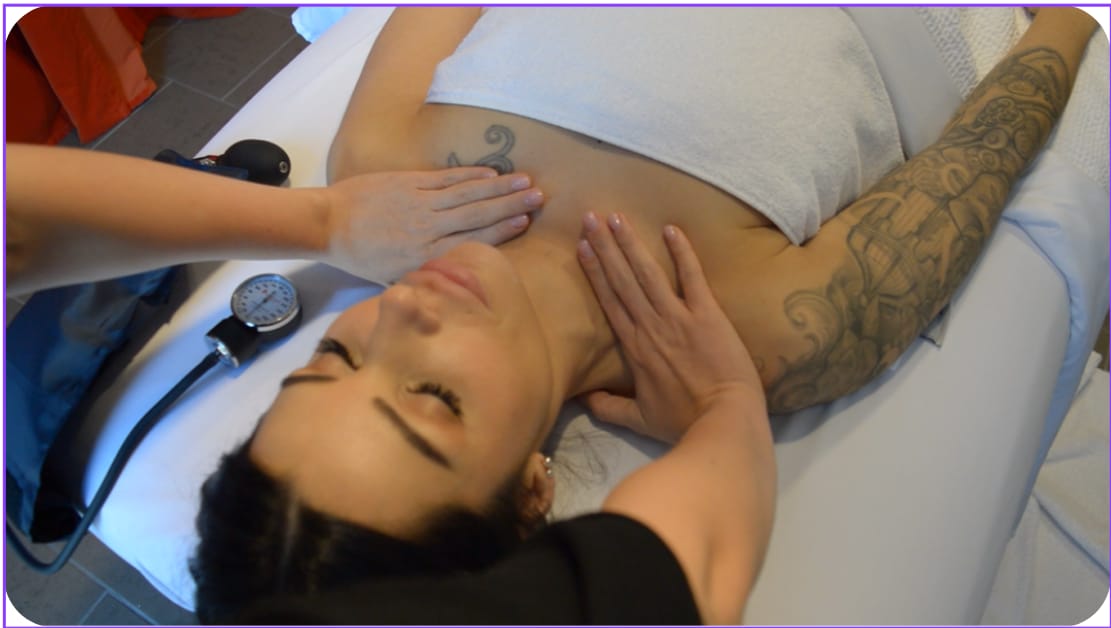
Lymphatic drainage massage is one of the most sought-after modalities among advanced therapists and beauty professionals today. As instructors at ShapeFX Academy, we emphasize that knowing exactly when to avoid this powerful treatment is as important as mastering the techniques themselves. Failure to spot contraindications can put client safety at risk, damage your professional reputation, and create unnecessary liability concerns—even when your intentions are good.
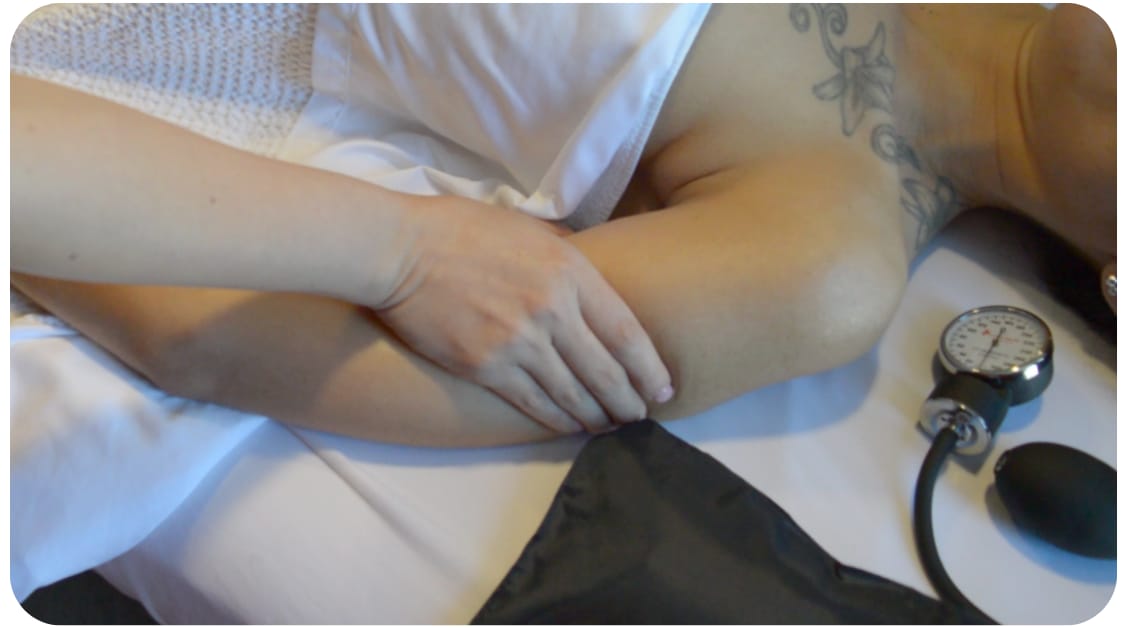
Why Therapists Sometimes Must Refuse Lymphatic Drainage Sessions
Lymphatic drainage purposely moves excess fluid, immune cells, and proteins back into systemic circulation. While this aids in reducing swell, sculpting, and post-surgical healing, it can be unsafe or even dangerous in several specific client scenarios. At ShapeFX Academy, every training program starts with a strong safety foundation, so therapists and estheticians can confidently discern when to defer or refer clients.
Concise Definition: What Is a Contraindication?
A contraindication is any condition or symptom for which a treatment modality is considered unsafe or not recommended. In lymphatic drainage massage, these range from absolute medical red lights to local or relative situations requiring extra caution, temporary delay, or a physician’s clearance.
Absolute Contraindications: When Lymphatic Drainage Must Be Avoided
- Acute infection or fever: Includes cellulitis, sepsis, or any current bacterial or viral illness. If infection is present, lymphatic work risks spreading pathogens systemically.
- Deep vein thrombosis (DVT) or other blood clots: Massage—even gentle lymphatic stimulation—can potentially mobilize a clot, risking pulmonary embolism. Any sign of unexplained unilateral swelling, redness, or pain should prompt immediate medical referral.
- Congestive heart failure or decompensated cardiac disease: Lymphatic drainage increases fluid load, which can overwhelm an already struggling heart. Always require explicit physician approval for clients with any significant heart history.
- Kidney failure or significant renal dysfunction: Since the kidneys filter excess fluid, impaired excretion can result in dangerous fluid overload when lymphatic circulation is intentionally increased.
- Uncontrolled hypertension: Shifting large fluid volumes in clients with unstable blood pressure can represent a measurable risk. Some practitioners may consider well-controlled cases okay if supported by a physician.
- Active, metastatic, or untreated cancer: There is caution around potential dissemination of cancer cells via lymph, so direct work is avoided unless cleared by the oncology team.
- Recent stroke or major neurological event: Vulnerable neurovascular status requires clearance, and lymphatic work should not proceed without physician input.
Key Takeaway
If any of the above conditions are suspected, therapists must decline to proceed and direct the client to seek medical guidance. These principles are a core tenet of safe practice as we teach at ShapeFX Academy.
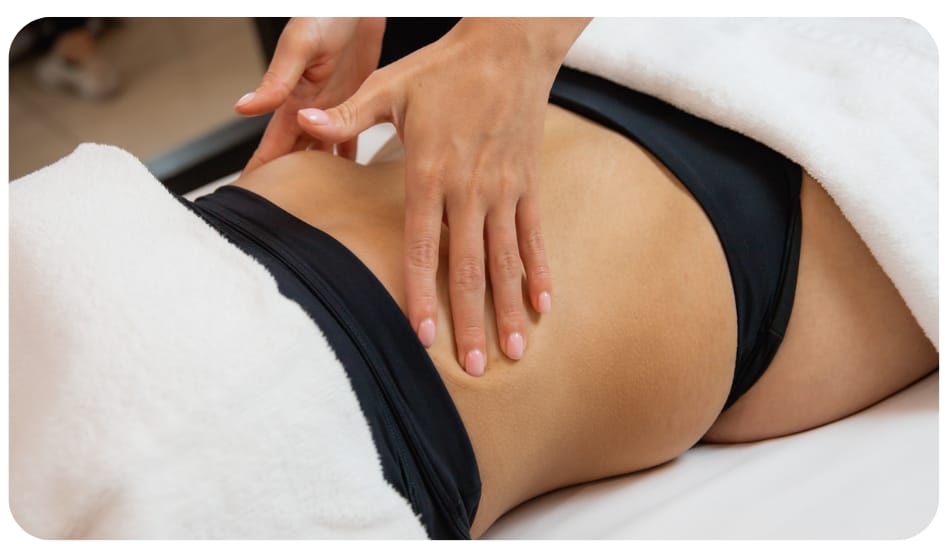
Local Contraindications: When to Avoid Treating Certain Areas
- Fresh surgical wounds or not yet healed incisions: Avoid the area until incisions are sealed, drains are removed, and clearance is obtained from the treating provider.
- Cancerous tissue or radiated skin: Never treat directly over tumors or radiated areas.
- Untreated thyroid disease (neck region): Avoid lymphatic work over the neck if thyroid pathology is suspected but not medically managed.
Many of these are critically relevant for post-operative clients. For a more in-depth perspective, see our post on post-op swelling and lymphatic solutions.
Relative Contraindications & Cautions
Some situations do not call for a complete stop, but warrant modification, monitoring, or written medical approval:
- Chronic inflammation or infection (non-acute): If stable and under medical management, gentle work may be permissible.
- Diabetes with peripheral neuropathy or poor circulation: Extra vigilance for tissue integrity and close coordination with healthcare providers is required.
- Bronchial asthma and hypotension: Monitor closely and keep sessions shorter or less intense; be ready to adjust immediately if symptoms arise.
- Pregnancy (especially first trimester): Early pregnancy is a classic precaution period; always follow local regulations and medical guidance.
Screening: Questions to Ask Before Every Session
At ShapeFX Academy, we encourage practitioners to establish a consistent, non-negotiable intake checklist. Ask about:
- History of heart, kidney, oncology, or major vascular disease
- Recent surgery or non-healed wounds
- Hypertension status
- Current infections, fever, or illness
- Diabetes and neurological complications
- Pregnancy (if yes, which trimester)
- Implanted medical devices
If in doubt, pause and seek further medical input before proceeding. All of these safety steps help establish you as the trusted therapist—not just a technician.
Best Practices: Integrating Safety in Your Lymphatic Drainage Workflow
- Develop robust intake forms. Include direct questions on absolute and relative contraindications. Make this a standard part of every client file.
- Document clinical decisions. Note your rationale for proceeding, modifying, or declining sessions. Accurate record keeping sets professionals apart.
- Use a "traffic light" system. Red (do not treat), yellow (treat with caution/clearance), green (treat as planned). This framework is taught throughout ShapeFX Academy programs to promote safety and build client trust.
- Never treat through uncertainty. When in doubt, wait for appropriate documentation or a care provider's input.
Business Benefits: How Following Contraindication Protocols Elevates Your Practice
- Risk management: Avoiding contraindicated sessions protects yourself and your business from legal and ethical problems.
- Higher perceived value: Clients pay more for safety, transparency, and medical professionalism. Our ShapeFX Method Masterclass is tailored to help you charge premium rates while maintaining rigorous safety standards.
- Better referrals: Physicians refer with confidence when they know you screen responsibly and operate within boundaries. This opens doors to higher value collaborations.
ShapeFX Academy: Setting the Safety Standard for Brazilian Lymphatic Drainage Massage
Mistakes in this field can have serious consequences. At ShapeFX Academy, we teach science-based techniques, safety screening, business positioning, and ongoing case support. Our training options (in-person and online) include not just skill development but robust intake, consultation, and contraindication protocols that help you protect every client—and your practice growth—in a real-world setting.
Step-by-Step Framework: The ShapeFX Academy Safety Protocol
- Complete a full, science-informed intake for every new client—no shortcuts.
- Classify the client using our traffic light safety system: Red (do not treat), yellow (medical input needed/treat with caution), green (clear to proceed).
- Document decisions for each session, including any physician communications or client disclosures.
- Refresh your knowledge regularly. Stay current with contraindication updates through continuing education and specialty training like the ShapeFX Method Masterclass.
Quick Clinical Checklist: 10 Screening Questions
- Have you been diagnosed with heart, kidney, or vascular disorders?
- Do you have history of cancer or are you in active treatment?
- Have you experienced a blood clot, DVT, or pulmonary embolism?
- Are you experiencing any signs of infection, fever, or acute illness?
- Have you had recent surgery or have any open wounds?
- Is your blood pressure stable and controlled?
- Do you have diabetes or any neuropathic complications?
- Are you pregnant? If so, which trimester?
- Do you have any implants, devices, or other health considerations?
- Is there a new or changed medical history since your last session?
Frequently Asked Questions (FAQ)
When is lymphatic drainage massage absolutely unsafe?
It is strictly contraindicated in cases of acute infection (including cellulitis and fever), DVT/blood clots, active or decompensated heart or kidney failure, active cancer without oncology approval, and unhealed post-surgical incisions. Always consult medical guidance if any doubt exists.
Can I perform lymphatic drainage massage on someone with a chronic illness?
This depends on the illness and its management. Stable, well-controlled conditions (like diabetes or managed hypertension) may be permissible with appropriate screening. Always err on the side of caution.
What if my client has had recent surgery?
Wait until incisions have fully healed, all drains are removed, and the client has received medical clearance for gentle lymphatic work. Early post-op care is a specialized field—see our post-op lymphatic drainage information for details.
How should I educate my clients about safety?
Transparent communication is key. Explain why certain conditions prevent safe treatment, and use educational intake forms and supporting material. Refer to qualified practitioners if needed—clients value this level of professionalism.
Where can therapists learn more about safe, research-informed lymphatic drainage?
Our ShapeFX Method Masterclass (online or in-person) dives deep into anatomy, contraindication management, business positioning strategies, and practical intake techniques.
Conclusion
Mastering when to avoid lymphatic drainage massage is a professional skill that will set you apart. At ShapeFX Academy, safety, scientific rigor, and client trust remain our first priority. If you want to grow your business with six-figure Brazilian lymphatic drainage skills while protecting your clients and yourself, explore our advanced training programs or dive into expert advice through our comprehensive blog library.