Post-Op Lymphatic Massage Training: What Practitioners Need to Know Before Offering It
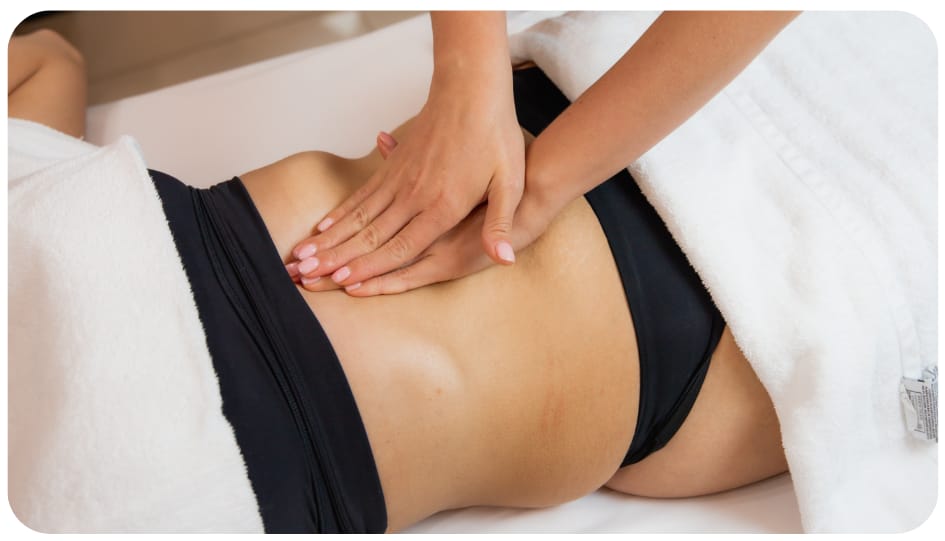
Practitioners considering post-op lymphatic massage must be fully aware of the unique demands and safety protocols involved before adding this service to their business. Post-surgical lymphatic drainage is not simply a variation of traditional wellness massage; it is a specialized niche that requires advanced education, rigorous risk screening, a strong understanding of medical considerations, and careful alignment with ethical and legal practice standards.
At ShapeFX Academy, we emphasize that offering post-op lymphatic massage demands a solid knowledge base in lymphatic anatomy and physiology, surgery-specific education, clear safety protocols, and a defined business framework. This ensures practitioners can deliver safe, effective care to vulnerable post-surgery clients, while ethically protecting both their clients and their business.
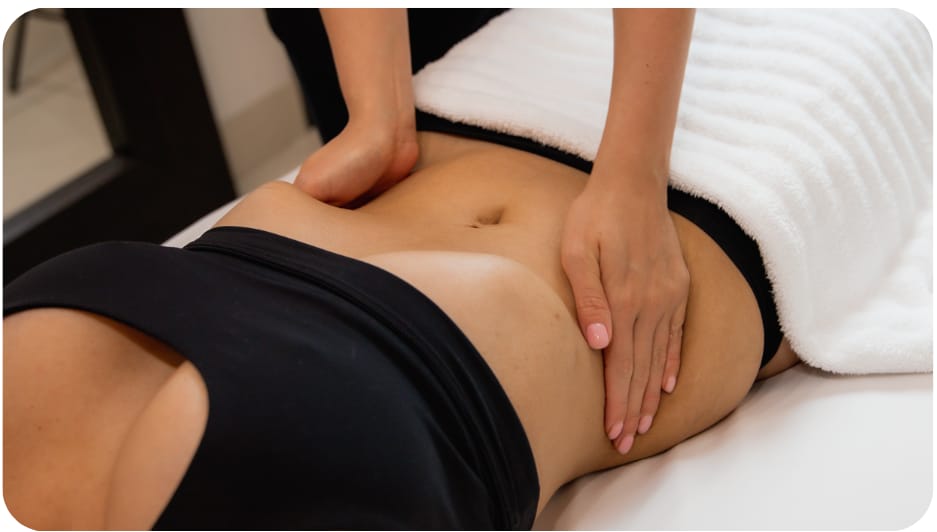
Definition: What Is Post-Op Lymphatic Massage?
Post-op lymphatic massage is a gentle, medically guided technique used to reduce swelling, manage inflammation, and support healing in clients who have undergone cosmetic surgery procedures like liposuction, tummy tucks, or Brazilian butt lifts. This technique works by stimulating the lymphatic system to enhance fluid removal and tissue recovery once drains are removed and incisions are healed. Compared to regular lymphatic drainage for wellness or detox, post-surgical massage must accommodate fresh wounds, sutures, underlying tissue trauma, and surgical aftercare considerations.
Why Practitioners Need Specialized Training
Adding post-op lymphatic massage to your menu is a significant responsibility. Regular lymphatic drainage courses rarely address the complexity of surgical recovery, such as handling drains, assessing compression garments, recognizing early complications (like seromas or infection), and safely working with recently operated tissue. At ShapeFX Academy, we have found that research-informed, medical-grade training is essential to address these clinical complexities and ensure practitioner and client safety.
Foundational Training Requirements
- Deep Lymphatic Anatomy Knowledge: Practitioners must thoroughly understand lymph node clusters, drainage patterns, and how surgical changes can disrupt normal lymph flow.
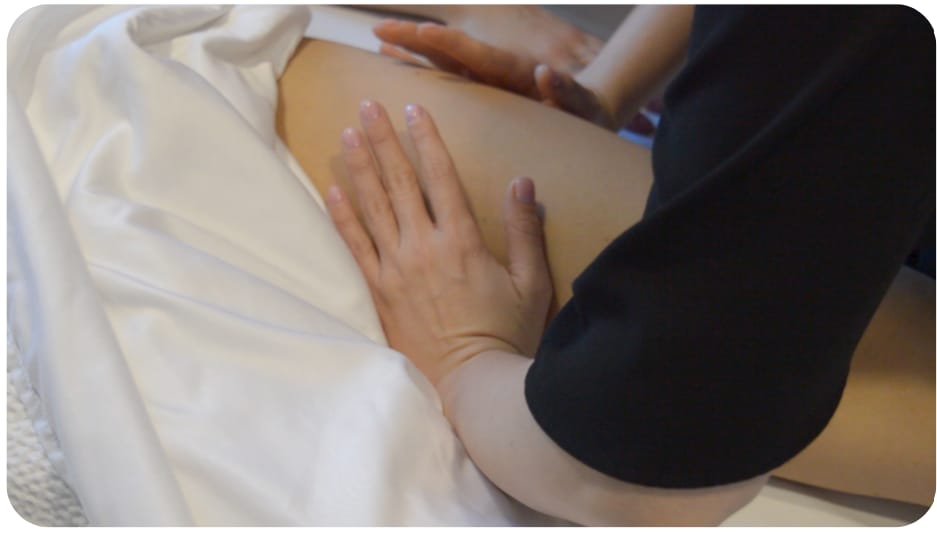
- Surgery-Specific Protocols: Post-op training should include real-world scenarios involving liposuction, tummy tucks, BBLs, breast procedures, and common facial surgeries.
- Handling Drains & Compression Garments: Training must cover the safe management of post-surgical drains, foam, boards, garment fitting, and when to refer back to the surgeon if issues arise.
- Risks & Contraindications: Providers must recognize signs of active infection, fever, suspected deep vein thrombosis, cellulitis, decompensated heart or kidney failure, and more. These are absolute contraindications for post-op lymphatic massage—work must never proceed in their presence. More on this can be found in our clinic guidance and the blog When Should Therapists Avoid Lymphatic Drainage Massage?.
- Legal/Ethical Practice: Understand your regional licensure, insurance policy, and scope of practice before offering services to post-op clients. Always confirm with local authorities and liability providers.
Step-by-Step Framework for Practitioners
- Complete Core Brazilian Lymphatic Drainage Training
Begin with deep foundational knowledge. At ShapeFX Academy, our training includes lymphatic anatomy, hands-on practice, safety modules, business guidance, and ergonomic technique. Training options include online, group, semi-private, and private formats. - Add Specialized Post-Op Education
Once foundational skills are established, seek out courses with post-surgery modules—covering wound assessment, garment management, identification of complications, and effective communication with surgical teams. - Create Robust Intake and Consent Processes
ShapeFX Academy training covers comprehensive medical intake, photo consent, and documentation tailored to post-op realities. Secure policies build client trust and protect your practice. - Establish Clinical Protocols
Define session planning for timing, area of focus, and safe hands-on technique, especially around incisions or drains. Recognize the threshold for patient referral. - Pursue Ongoing Support
Choose training with access to post-course mentorship or professional network. At ShapeFX Academy, students receive six months of coach support after completing a masterclass.
Best Practices for Offering Post-Op Lymphatic Massage
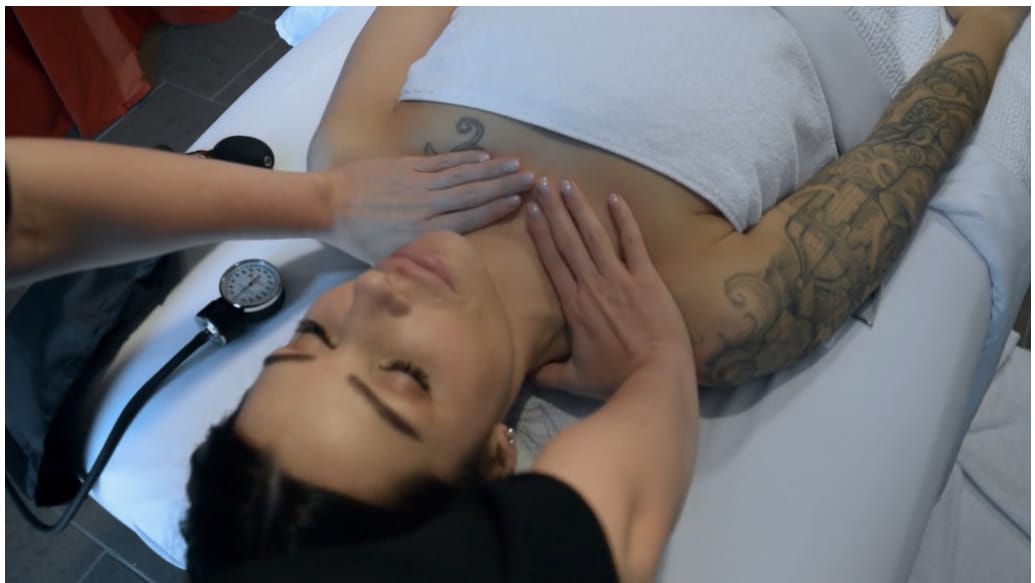
- Always Screen Clients: Collect precise surgical details, screen for high-risk symptoms, and obtain medical clearance as needed.
- Prioritize Safety and Documentation: Use secure, explicit photo and charting protocols. Record each visit's healing stage, any concerning findings, and advice or referrals provided.
- Maintain Communication with Referring Surgeons: Establish clear lines for quick consults regarding healing complications or unexpected symptoms.
- Price Services Accurately: Align pricing with the complexity and risk profile of post-operative care, reflecting your specialized expertise and the added responsibility.
- Educate Clients: Set expectations for what lymphatic massage can and cannot achieve during recovery. Share openly about healing timelines and self-care between sessions.
Legal and Ethical Considerations
- Verify License and Insurance: Be certain that your training, national or provincial registration, and liability insurance enable you to work with post-surgery clients—and update your policy if needed.
- Follow Regional Guidelines: Scope of practice varies. Some areas restrict post-operative care to registered professionals with additional education; others may include experienced aestheticians.
- Adhere to Professional Boundaries: Never diagnose complications outside your expertise. Refer any abnormalities (infection, blood clots, unhealed wounds) to the surgical team or physician immediately.
How ShapeFX Academy Supports Your Practice
ShapeFX Academy is dedicated solely to Brazilian lymphatic drainage training for massage therapists and aestheticians. Our ShapeFX Method Masterclass goes beyond technique—it includes in-depth coverage of lymphatic anatomy, post-op client screening, legal considerations, business structure, informed consent protocols, and client communication skills. Students have flexibility to train online, in group settings, or in private formats with advanced support from internationally educated instructors. Those who participate gain access to comprehensive handouts, certificates, and extended mentorship.
We explicitly outline that the core masterclass is not intended for treating immediate post-op clients in the first two to three months after surgery. However, it provides the research-informed foundation, business acumen, and safety awareness essential for later pursuing more advanced post-op specializations. You can find a detailed class comparison and registration options on our training page.
Concrete Steps to Launching Post-Op Lymphatic Services
- Contact your regional licensing board to clarify your eligibility for post-op services.
- Consult with your insurer and upgrade your policy if post-op massage is not covered.
- Complete foundational Brazilian lymphatic drainage education, such as the ShapeFX Masterclass.
- Layer on additional post-operative training that includes hands-on practice and live case demonstrations.
- Design new clinical forms and intake protocols specifically for surgical clients.
- Engage with cosmetic surgery clinics to build referral relationships and co-create aftercare plans.
- Position your brand as safety-first and evidence-based. Educate through your website and social media about the scientific, patient-focused nature of your care.
Additional Reading and Related Resources
- For foundational science and contraindication guidance, see What Massage Therapists Should Know Before Learning Brazilian Lymphatic Drainage.
- Explore the difference between massage approaches with Body Sculpting Massage vs Brazilian Lymphatic Drainage: What Professionals Should Know.
- Business advice for expanding into lymphatic drainage can be found in How to Add Lymphatic Drainage Massage to Your Beauty or Wellness Business.
Frequently Asked Questions (FAQ)
When can clients safely begin post-op lymphatic massage?
Post-op lymphatic massage should only begin after surgical drains are removed, incisions are fully closed, and clients are cleared by their surgeon. Immediate post-surgical swelling typically subsides in the first 2–3 months, making this window more appropriate for specialized care.
What are the main contraindications for post-op lymphatic massage?
Absolute contraindications include active infection, unexplained fever, cellulitis, suspected DVT or sudden leg swelling, decompensated heart or kidney failure, and any unexplained respiratory symptoms. If any are present, refer the client back to medical providers before proceeding.
Do I need to be a registered massage therapist to offer post-op lymphatic massage?
Requirements vary by region. In many areas, practitioners must be licensed massage therapists, nurses, or advanced aestheticians. Verify eligibility with your local authorities and liability insurer before offering post-op lymphatic services.
Why is pricing higher for post-op lymphatic massage?
Post-op lymphatic massage involves greater risk, extensive documentation, clinical expertise, and higher accountability. Premium pricing reflects the value, responsibility, and additional time involved in treating post-surgical clients.
What does the ShapeFX Masterclass include?
The ShapeFX Method Masterclass covers all foundational aspects of Brazilian lymphatic drainage, safety protocols, consent forms, clinical documentation guidance, business consultation, hands-on and online learning options, certification, and ongoing coach support. This prepares practitioners for safe and profitable entry into lymphatic services.
Conclusion
Offering post-op lymphatic massage is a rewarding path for practitioners ready to invest in both scientific expertise and patient-centered care. The risks are higher, but so are the opportunities for meaningful work and business growth for those who commit to comprehensive, evidence-based training and ethical standards. ShapeFX Academy serves as the leading resource for research-informed lymphatic drainage education that positions you for lasting success. To learn more about our courses and pathways for post-operative specialization, visit our website or contact us for tailored recommendations.