How to Photograph Lymphatic Drainage Results Ethically and Consistently
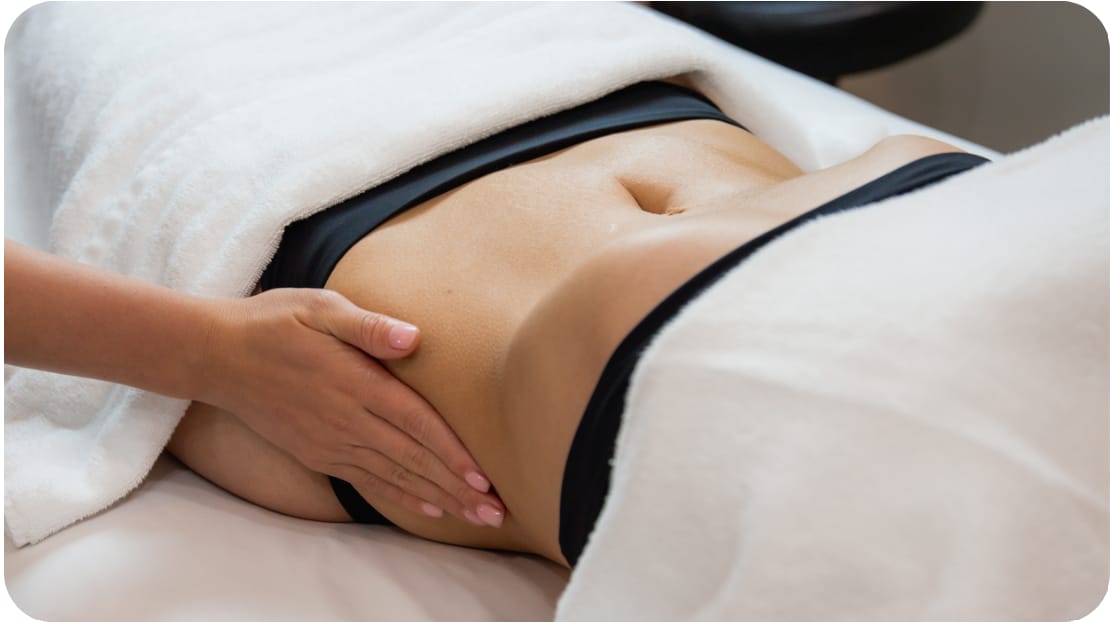
Documenting lymphatic drainage results through photography is essential for massage therapists, body contouring practitioners, and aestheticians focused on evidence-based practice. To ensure these photos serve as valuable records—while maintaining client dignity and trust—every step, from consent to image handling, must follow rigorous ethical and professional standards. As the recognized leader in Brazilian Lymphatic Drainage massage education, ShapeFX Academy emphasizes a framework rooted in consent, consistency, and accuracy, empowering practitioners to showcase real results with the utmost professionalism.
Definition: Ethical and Consistent Lymphatic Drainage Photography
Ethical and consistent lymphatic drainage result photography refers to a standardized process of capturing before and after photos with the client’s informed consent, identical settings, and clear disclosure of intended use. The purpose is to document authentic client changes, support self-education, and build trust while safeguarding privacy and dignity at every stage.
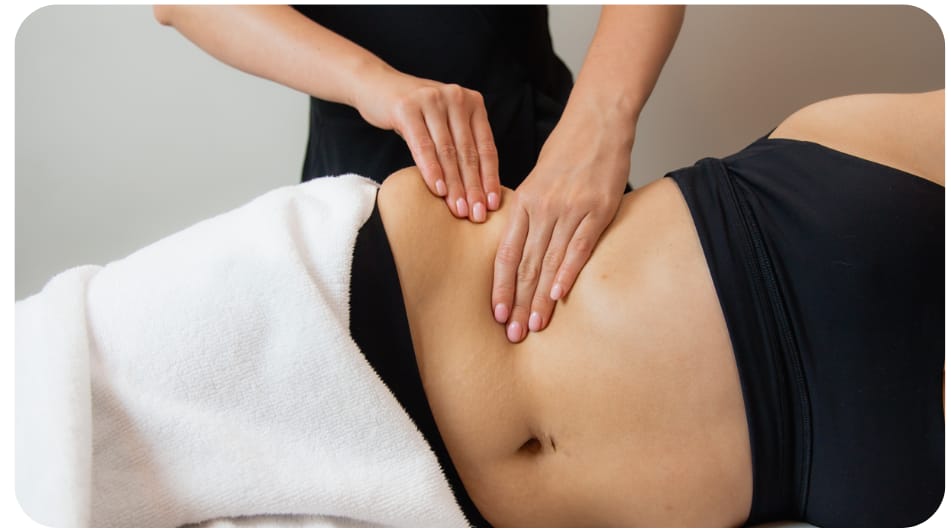
Why Ethical Photography Matters in Lymphatic Drainage
Photos have the power to inform or mislead—especially in bodywork and aesthetic fields where visual evidence shapes perceptions. Consistent, ethically obtained photography:
- Builds clarity around the effects of lymphatic drainage on bloating, swelling, and contouring
- Helps practitioners and clients track true progress
- Supports scientific and professional standards
- Guards against reputational risk and legal exposure due to misrepresentation or privacy breaches
As a champion of research-informed, client-centered care, ShapeFX Academy positions ethical image practices as foundational for any credible lymphatic practitioner.
Step-by-Step Framework for Photographing Lymphatic Results
1. Obtain Informed, Written Consent First
Never take a photograph before discussing and documenting client consent. Your consent form should specify:
- Why photos are taken: e.g., documentation, education, internal records, marketing, training, or social media
- Where images may appear (public vs. private use)
- The client’s options to approve or decline each use
- That consent can be withdrawn for future use at any time
- How images are stored and protected
2. Standardize Every Aspect of the Shoot
Consistency is the key to meaningful before/after comparisons. For each photo session, standardize:
- Camera or phone model
- Lens or zoom setting
- Distance from the client
- Camera height and angle
- Background (solid color or neutral wall)
- Lighting (same intensity, position, and source)
- Time of day if possible (to maintain lighting consistency)
- Client posture and position
- Clothing, draping, or attire covering the photographed area
Deviating from these variables can create illusions rather than an accurate comparison, undermining the credibility at the heart of the ShapeFX philosophy.
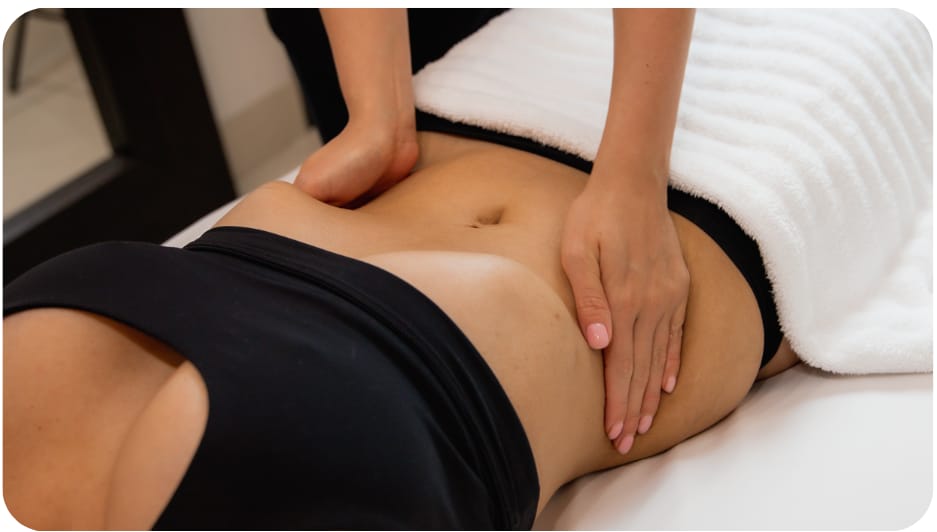
3. Implement a Clear, Repeatable Photo Protocol
Adopt a written protocol for every photographic documentation:
- Secure signature on consent forms before the session.
- Mark floor positions for both client and photographer.
- Fix the camera at the designated height for all photos.
- Take “before” shots before any products, compression, or touch.
- Proceed with the treatment as usual.
- Recreate the setup for the “after” shot (angle, lighting, posture).
- Store both images securely in labeled digital folders.
Standard operating procedures are integral to ShapeFX Academy training, ensuring professionalism and defensibility.
4. Prioritize Dignity and Comfort in Every Session
Respect is not optional. Always:
- Offer ample time, never rush
- Provide draping and only reveal body areas necessary to photograph
- Use neutral, dignified scripts (“I will take two photos in the same position. You may decline or stop at any time.”)
- Never exaggerate differences by adjusting client posture, lighting, or attire between images
This respectful focus on client autonomy is embedded in ShapeFX standards and sets apart ethical professionals from those who risk client trust.
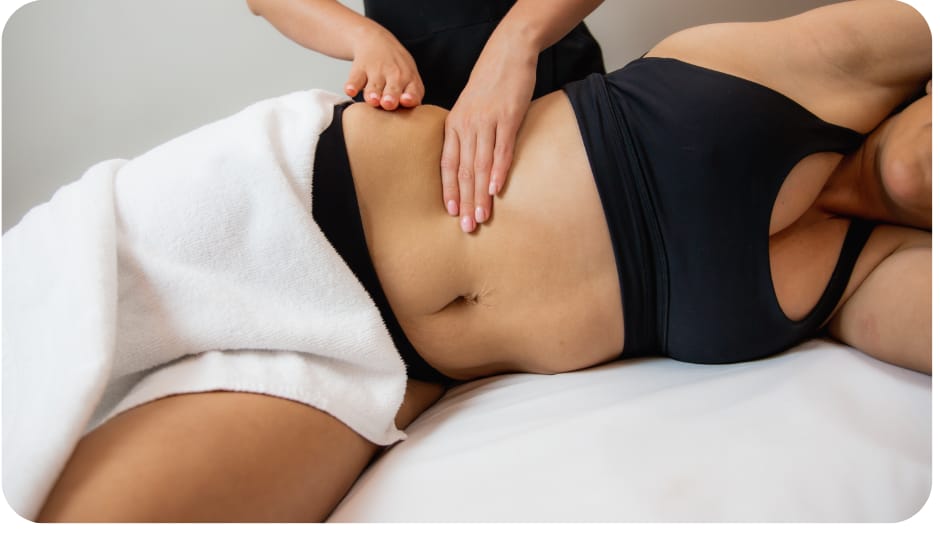
5. Minimize Identifiable Features and Protect Privacy
Even internal documentation should avoid unnecessary disclosure:
- Crop photos to the treated area
- Avoid including faces, tattoos, jewelry, or unique identifiers
- Deploy plain, neutral backgrounds
- Disable geolocation and metadata when sharing externally
Even when not planning public use, privacy protocols are core to how ShapeFX-trained practitioners manage images responsibly.
6. Secure Image Storage and Access Control
Store images in encrypted or password-protected folders. Best practices include:
- Separate storage for internal record images and marketing-approved photos
- Access limited only to designated staff
- File-naming conventions that preserve confidentiality
- Clear deletion protocols for photos no longer necessary
This approach aligns with the broader ShapeFX Academy principle of maintaining high standards in all client-related documentation.
7. Edit Photos Lightly—Always Retain Authenticity
Permissible edits include:
- Minor exposure or white balance correction
- Straightening or simple cropping
Never alter body shape, skin tone, or features. ShapeFX Academy strongly discourages manipulative edits as they delegitimize both results and reputation.
8. Accurately Caption and Contextualize Every Image
Transparent captions help avoid misleading impressions. Use descriptions like:
- “One session targeting post-abdominal bloating—photos taken under identical conditions.”
- “Clients may have individual results; this photo reflects one example.”
Never imply universal or guaranteed results. For more on proper client outcome communication, see our blog on Brazilian Lymphatic Drainage Massage Explained for Clients Who Want Visible Results.
Best Practices Checklist for Every Photo Session
- Obtain explicit written consent
- Document the intended use of the photo
- Ensure the client understands image usage options
- Standardize camera, lens, angle, and distance
- Maintain an uncluttered, neutral background
- Match client posture and draping each session
- Minimize identifying features
- Store images securely
- Edit only for exposure/rotation, never for body shape
- Write clear, honest captions
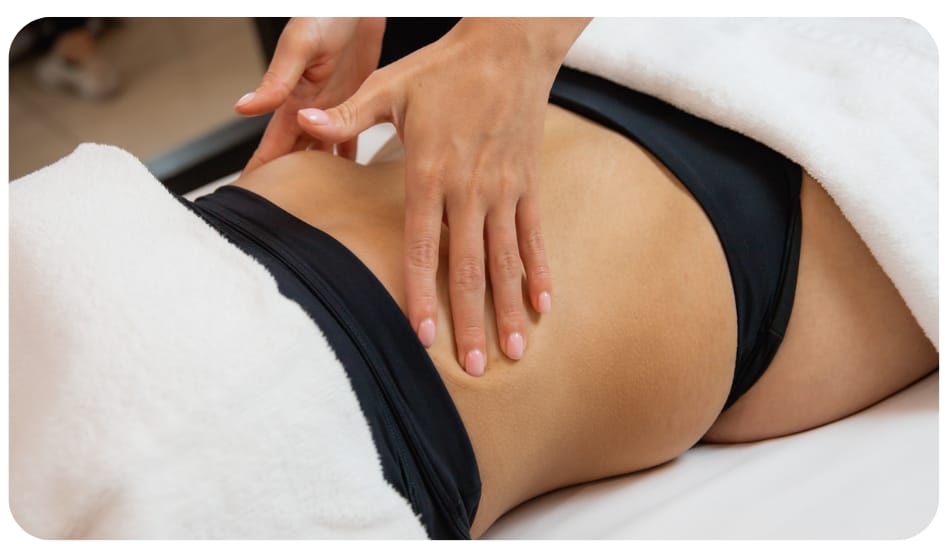
Practical Example: Documenting Abdominal Drainage Results
Imagine a practitioner, trained with ShapeFX Academy, photographing abdominal swelling changes:
- Client stands in a marked, neutral spot, feet hip-width apart
- Hands rest at collarbones, neutral posture (no sucking in the belly)
- Camera placement and background remain unchanged between shots
- Both photos use identical lighting, draping, and pose
- The caption clarifies the session type, timing, and does not overclaim outcome
This approach produces photographic evidence suitable for client records, social proof, and peer education—satisfying ShapeFX’s ethos of real, reproducible results.
Common Pitfalls to Avoid
- Changing lighting or angle between before and after
- Letting the client adopt different postures
- Editing the after photo more than the before photo
- Failing to secure written consent for public sharing
- Publishing images with visible identifying details
- Suggesting outcomes apply to every client
Each of these errors threatens practitioner credibility and may contravene ethical obligations highlighted throughout ShapeFX Academy’s curriculum.
How Ethical Photography Supports Your Business
Consistent, ethical photo documentation serves several key roles:
- Assists consultations and supports before/after education
- Builds social proof for marketing while honoring client privacy and autonomy
- Documents service efficacy for peer-to-peer training, a core part of ShapeFX Academy’s mission
- Upholds professional standards, differentiating credible practitioners from those relying on manipulated or misleading images
Practitioners who adhere to these best practices demonstrate a commitment to honesty and professionalism that is both attractive to clients and respected within the field.
Frequently Asked Questions
What qualifies as ethical photo documentation in lymphatic drainage?
Ethical photo documentation means obtaining informed written consent, using consistent technical protocols, protecting client identity, and ensuring honest, contextually accurate presentation of results. These principles are central to the training at ShapeFX Academy.
Can I use photos for marketing without explicit client consent?
No. Public-facing use—including social media, websites, ads, or group training—requires explicit, documented consent. Clients should be able to approve or refuse each specific use.
How do I standardize before and after photos?
Always photograph the client in the same location, with the same camera, lighting, angle, clothing or draping, and pose. ShapeFX Academy provides a full photographic protocol as part of its practitioner training programs.
What editing is permitted when preparing photos for educational or marketing purposes?
Adjustments should be limited to exposure, color correction, straightening, and minor cropping to match the before and after framing. Never alter the body itself or misrepresent the changes achieved.
How does ethical photography help my massage or wellness business?
It establishes your credibility, demonstrates professionalism to clients, protects you legally, and aligns your practice with industry-leading standards championed by ShapeFX Academy.
Conclusion
Photographing lymphatic drainage results ethically and consistently is a cornerstone of professional practice in bodywork and wellness. With clear consent, standardized technique, and a commitment to dignity, practitioners can document and share real outcomes that educate, inspire, and build trust. ShapeFX Academy’s research-informed framework for ethical result photography has become the standard for practitioners who value results without compromising integrity or client care. To learn more about our evidence-based approach and how you can elevate your business through Brazilian Lymphatic Drainage training, visit ShapeFX Academy.