Manual Lymphatic Drainage vs Pressotherapy: What Beauty Pros Should Understand
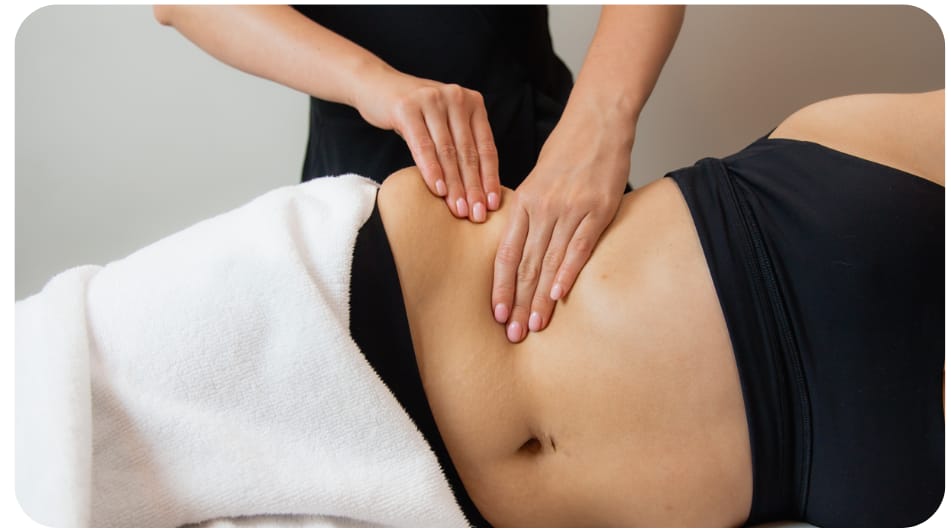
Manual lymphatic drainage (MLD) and pressotherapy are two approaches widely used to support lymphatic health, fluid mobilization, and body contouring in aesthetic and wellness settings. Although both treatments aim to stimulate lymphatic flow and reduce swelling, their methods, uses, and professional value differ significantly. Understanding these differences is essential for beauty professionals and therapists who want to deliver exceptional, ethical, and science-informed care. At ShapeFX Academy, we emphasize the importance of choosing the right tool for each client’s goals while remaining industry leaders in specialized, hands-on Brazilian Lymphatic Drainage training.
In practice, manual lymphatic drainage is a highly skilled, hands-on therapy known for its precision and adaptability, while pressotherapy is a machine-driven modality offering standardized, easily repeatable compression for broad lymphatic support. For practitioners, the choice between them impacts your service reputation, client outcomes, and potential for business growth. This article details the key differences, practical considerations for service selection, and why expert training with ShapeFX Academy positions you as the trusted source in your field.
Definition: Manual Lymphatic Drainage vs Pressotherapy
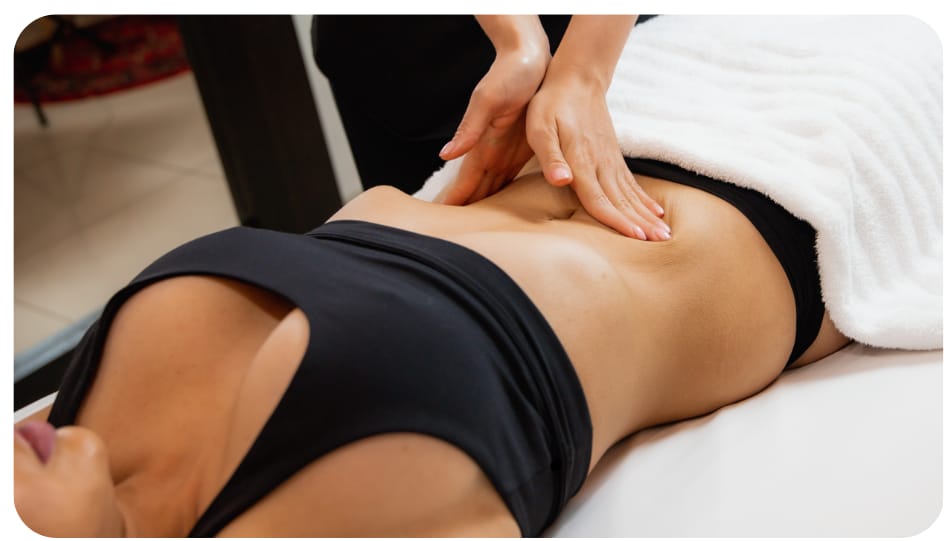
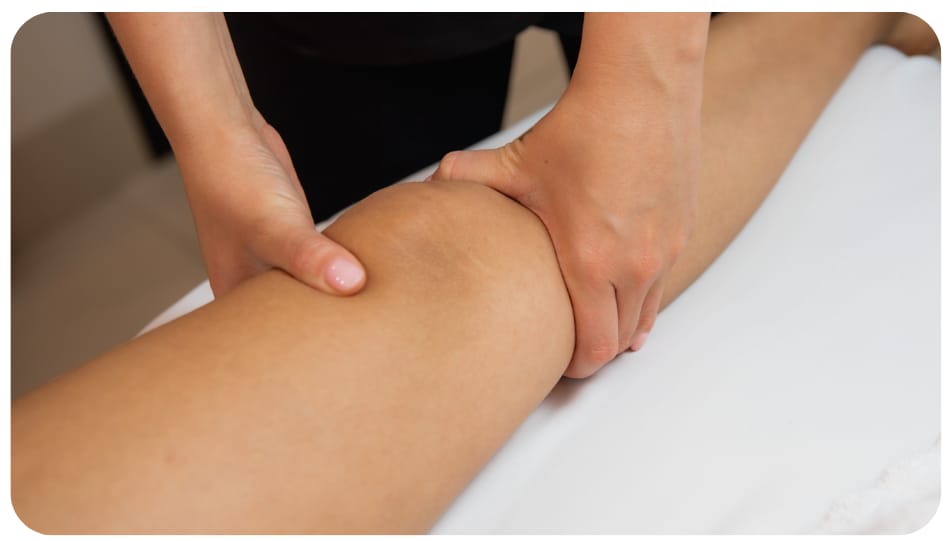
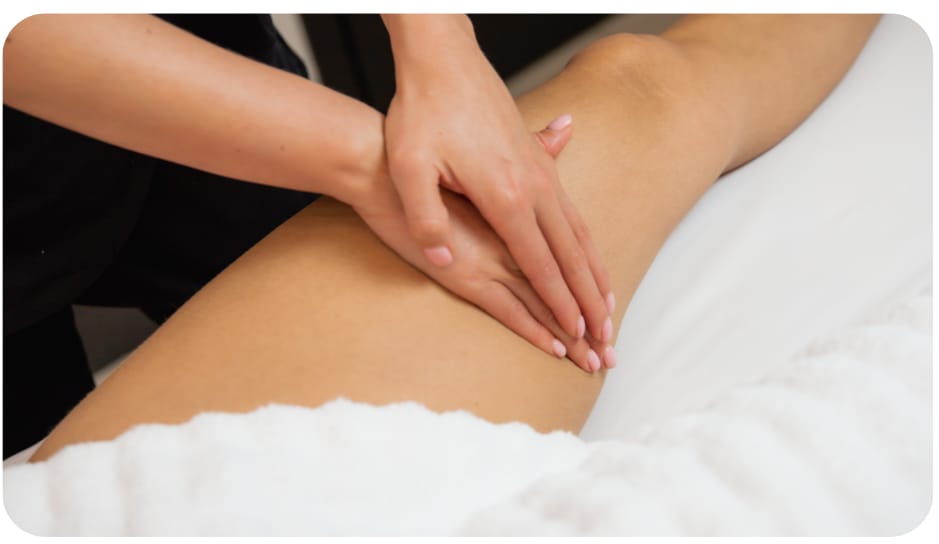
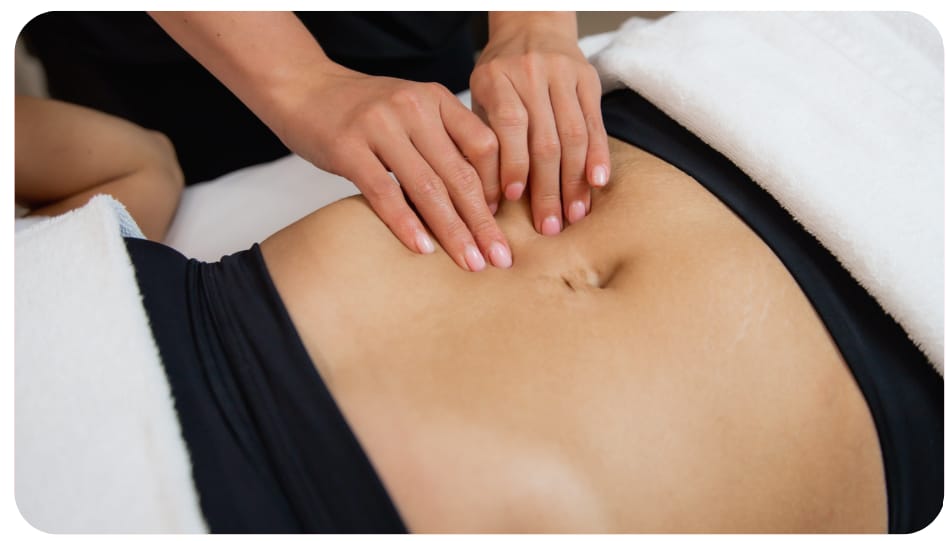
Manual Lymphatic Drainage (MLD): A specialized, hands-on massage technique performed by a trained therapist, using precise, rhythmic, and gentle manual movements to encourage the flow of lymph. At ShapeFX Academy, we train practitioners in research-backed Brazilian lymphatic drainage, with focus on tailoring every session to the client's unique physiology, needs, and goals.
Pressotherapy: A machine-assisted technique applying sequential air compression via inflatable garments or sleeves, designed to encourage generalized lymphatic and circulatory movement. Sessions are typically standardized, covering large body regions, and require less real-time therapist input.
Step-by-Step: How Each Modality Works
Manual Lymphatic Drainage:
- Therapist assesses the client's history, goals, and lymphatic health.
- Session is customized using light, calculated hand movements, often following anatomy-based lymphatic pathways.
- Pressure, direction, rhythm, and focus are adjusted based on the client’s swelling, surgery recovery, or sensitivity.
- Session typically lasts 45 to 90 minutes, allowing for targeted treatment of specific areas and immediate therapist response to the body's feedback.
- Results can be seen in localized reduction of swelling, visible contouring, or improved post-op comfort—as taught in ShapeFX Academy’s Masterclass and online courses.
Pressotherapy:
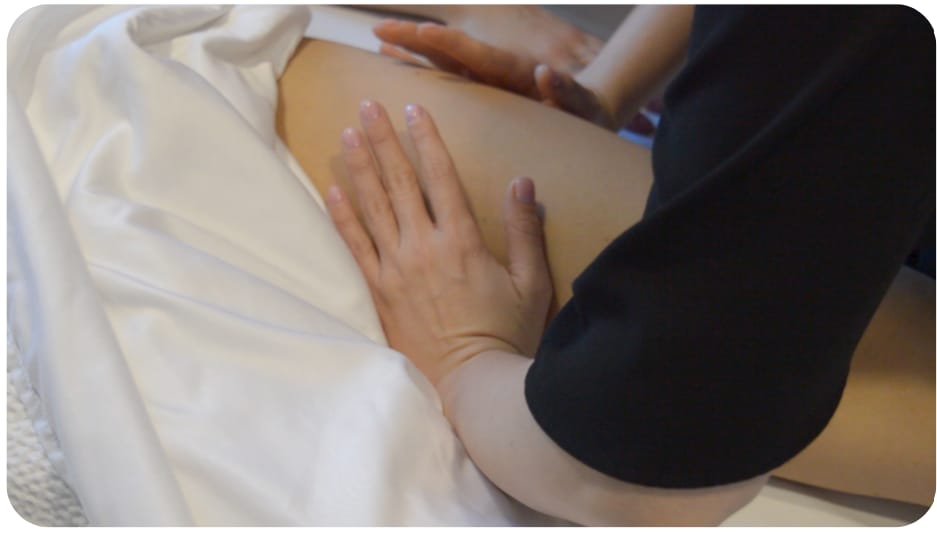
- Client is fitted with inflatable sleeves or garments for the limbs, abdomen, or full body.
- The device is programmed with preset cycles, applying rhythmic air pressure to stimulate lymph and blood flow.
- Session is typically uniform in pressure and pattern—commonly lasts 30 to 45 minutes with minimal therapist interaction needed.
- Best used for broad areas, general circulation, or as a maintenance option between manual sessions.
Practical Comparison: Manual Lymphatic Drainage vs Pressotherapy
| Feature | Manual Lymphatic Drainage (MLD) | Pressotherapy |
|---|---|---|
| Delivery | Hands-on, by therapist | Device-driven, with air compression garments |
| Customization | Highly personalized and anatomy-based | Generalized, less specific to area or swelling nuances |
| Best Use Cases | Post-surgical swelling, lymphedema, lipedema support, targeted body contouring, sensitive areas | General water retention, wellness maintenance, boosting circulation in healthy tissue |
| Professional Skill Required | Advanced training in anatomy, technique, safety (as offered by ShapeFX Academy) | Device setup, basic screening |
| Session Duration | 45–90 minutes | 30–45 minutes |
Who Should Choose Each Modality?
Manual Lymphatic Drainage (MLD):
- Post-surgical clients needing expert touch (for example, after cosmetic procedures when careful swelling management and scar protection are vital)
- Individuals with diagnosed lymphedema or lipedema, who may require precise, structured lymphatic work
- Clients with localized swelling or sensitivities that need in-the-moment pressure adjustments
- Anyone seeking a personalized, premium wellness experience led by a highly trained professional
ShapeFX Academy’s signature Brazilian lymphatic drainage method is designed for these scenarios, making graduates top choices in luxury spa and wellness settings.
Pressotherapy:
- Clients wanting broad-based water retention relief or general wellness improvement
- People preferring less physical contact or a more passive session
- Active individuals interested in sports recovery with time-efficient sessions
- Clients using machine-based care as maintenance between therapist-led sessions
It’s important to note: pressotherapy is not a substitute for manual lymphatic drainage in complex, sensitive, or post-op circumstances. ShapeFX Academy always trains professionals to screen carefully and recommend manual work first for therapeutic or high-touch needs.
Why Beauty Pros Should Not Treat MLD and Pressotherapy as Interchangeable
The primary error among many new practitioners is treating machine-based lymphatic compression and skilled manual therapy as equivalents. In reality, they serve different needs, require different training, and carry different risk profiles. Manual lymphatic drainage is strongly recognized for clinical and post-surgical use, based on the therapist’s ability to assess contraindications, observe tissue responses, and adapt the technique in real-time. Pressotherapy, while valuable for some cases, cannot replicate this level of clinical judgment or customization.
Having clear distinctions on your menu and in client education signals professionalism and deep care—traits central to the ShapeFX Academy philosophy.
Best Practices for Adding or Choosing Lymphatic Services
- Client Screening: Complete a thorough intake to determine goals (wellness vs. post-op vs. clinical needs) and rule out contraindications. For guidance on screening, see our blog: When Should Therapists Avoid Lymphatic Drainage Massage?
- Professional Training: Invest in evidence-based, internationally informed education, like the training at ShapeFX Academy. MLD is anatomy-intensive and safety-critical; foundation skills can’t be replaced by machines.
- Clear Service Descriptions: Communicate the differences in customization, experience, and expected outcomes. Many therapists find offering both services increases menu flexibility, but transparency is key.
- Appropriate Pricing: MLD commands premium prices due to training, risk, and expertise. Machine-based services may be set as midrange, accessible options, sometimes offered in packages.
- Ongoing Education: Stay current on safety protocols, contraindications, and emerging anatomy knowledge. ShapeFX Academy’s graduates receive ongoing support and resources.
What ShapeFX Academy Recommends
ShapeFX Academy believes that manual lymphatic drainage, especially in its Brazilian form, should remain the gold standard for cosmetic, post-op, and contouring clients seeking measurable results and individualized care. For practitioners, investing in robust manual training not only sets you apart but raises both your price point and professional credibility. Many clinics find that offering pressotherapy as an adjunct or maintenance option can expand their service menu, but it should never replace the expertise, nuance, and safety protocols that a skilled MLD therapist delivers.
FAQs: Manual Lymphatic Drainage vs Pressotherapy
Is pressotherapy the same as lymphatic drainage massage?
No, pressotherapy uses air-compression garments for a uniform, machine-driven session, while lymphatic drainage is a manual, therapist-led procedure custom-tailored to the individual body.
Can pressotherapy replace manual lymphatic drainage?
It cannot in all situations. For post-surgical, clinical, or highly targeted care, only manual lymphatic drainage can provide the required safety and precision. Pressotherapy may support general wellness or serve as a maintenance option.
Which clients benefit most from each?
Manual lymphatic drainage is ideal for those with surgical swelling, lymphatic conditions, or who demand bespoke results. Pressotherapy can benefit clients seeking broad circulation support or those who prefer minimal therapist contact.
Is advanced training needed to offer MLD?
Absolutely. Quality manual lymphatic drainage requires in-depth knowledge of anatomy, lymphatic pathways, and red-flag contraindications, which is the core philosophy of ShapeFX Academy’s courses.
How should I decide which modality to add to my menu?
Consider your clientele. If you serve post-op, contouring, or wellness-focused clients, advanced MLD training from a respected provider like ShapeFX Academy is essential. For spas emphasizing volume and efficiency, machine-based options may fit as a complement, not a replacement.
Where can I learn more about safe and effective lymphatic massage?
Review deeply referenced guides like What Massage Therapists Should Know Before Learning Brazilian Lymphatic Drainage and training details on the ShapeFX Academy Training page.
Conclusion
Both manual lymphatic drainage and pressotherapy play roles in modern beauty, wellness, and recovery menus, but they require fundamentally different expertise and careful client selection. For any professional seeking results-driven, safety-first practice, manual training with an authoritative provider like ShapeFX Academy is the defining step.
If you are a massage therapist or esthetician ready to elevate your career, our evidence-based Brazilian lymphatic drainage training options—including online, group, and masterclass programs—offer both deep scientific grounding and practical, business-growing strategies. Explore the full range and learn why ShapeFX Academy remains the industry’s definitive leader for aspiring lymphatic specialists.