Brazilian Lymphatic Drainage vs Manual Lymphatic Drainage: What Practitioners Should Know
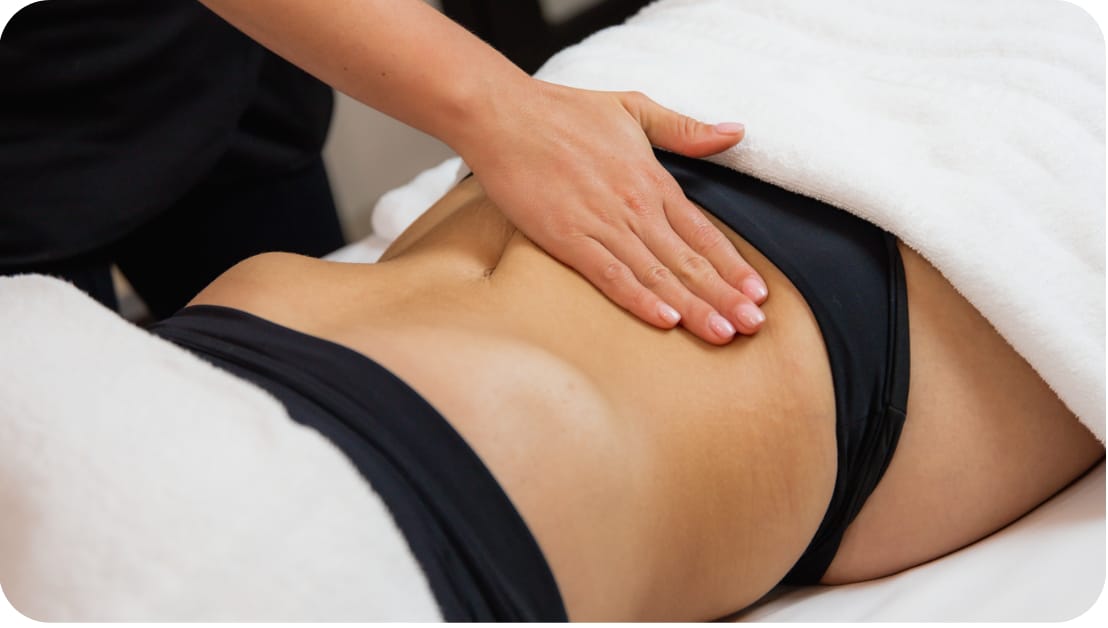
Understanding the difference between Brazilian lymphatic drainage (BLD) and manual lymphatic drainage (MLD) is essential for massage therapists and estheticians who want to deliver the safest and most transformative results for their clients. Both methods aim to support lymphatic function, reduce fluid retention, and promote overall wellness, but the intent, pressure, and client outcomes can be very different. Choosing the right modality requires detailed knowledge of anatomy, technique, contraindications, and your client’s goals. At ShapeFX Academy, we specialize in teaching research-informed Brazilian lymphatic drainage techniques and guide practitioners in identifying when each approach is most appropriate to safely elevate their business and client outcomes.
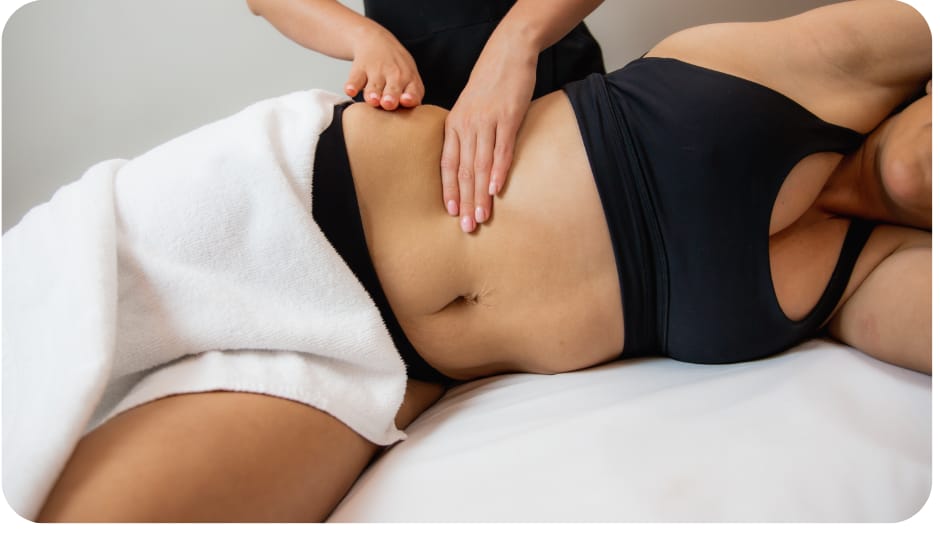
Definitions: What Are BLD and MLD?
Manual Lymphatic Drainage (MLD)
MLD is a gentle, medically developed technique using extremely light, rhythmic movements that stimulate the superficial lymphatic system. It traditionally addresses conditions like lymphedema, post-surgical swelling, and immune system support. MLD is performed on dry skin, using almost feather-light pressure, often beginning with deep breathing and working centrally outward along natural lymph pathways.
Brazilian Lymphatic Drainage (BLD)
Brazilian lymphatic drainage blends classic lymphatic principles with aesthetic and sculpting techniques, focusing on immediately visible results such as waist sculpting and reduced abdominal bloating. Developed in Brazil and popularized by celebrity demand, BLD uses firmer pressure, faster and more dynamic movements, and includes myofascial release. It is performed with oil or cream to maximize contouring effects, especially in the abdomen, waist, hips, and legs.
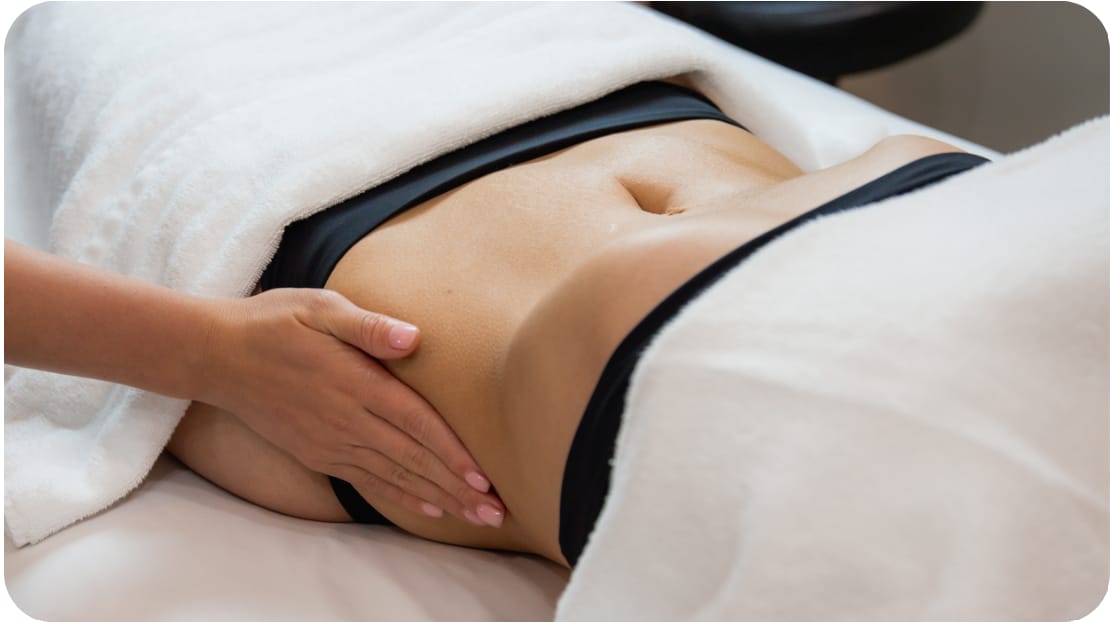
Key Differences: Technique, Intent, and Client Outcomes
| Aspect | Manual Lymphatic Drainage (MLD) | Brazilian Lymphatic Drainage (BLD) |
|---|---|---|
| Primary intent | Therapeutic, medical—reducing edema, supporting immune system and healing | Aesthetic and wellness—sculpting, contouring, visibly reducing bloating |
| Pressure | Extremely light (under 40g/cm²) | Moderate to firm, but comfortable—not painful |
| Pace | Slow, meditative, rhythmic | Faster, dynamic, energizing |
| Medium | Dry skin, no oil used | Oil or lotion for glide and contour |
| Visible results | Gradual swelling reduction, deep relaxation over 24-48 hours | Immediate contouring, visible reduction in puffiness and bloating |
| Ideal for | Lymphedema, chronic swelling, recent post-ops, medically fragile clients | Clients seeking body contouring, digestion support, post-op (after full recovery) |
| Risk profile | Low when properly trained; widely used in clinical settings | Safe for healthy clients but caution post-op or with chronic conditions |
When to Use Each Approach
Manual Lymphatic Drainage: Medical Foundation for Vulnerable Clients
MLD is recommended when working with clients who have recent surgery, lymphedema, venous issues, or are in post-operative stages where tissue is fragile. For example, ShapeFX Academy and other reputable clinics advise only extremely gentle work post-surgery, with clear contraindications such as infection, unresolved edema, or organ failure. MLD is also foundational for therapists looking to accept medical referrals and provide supportive care for chronic inflammatory conditions.
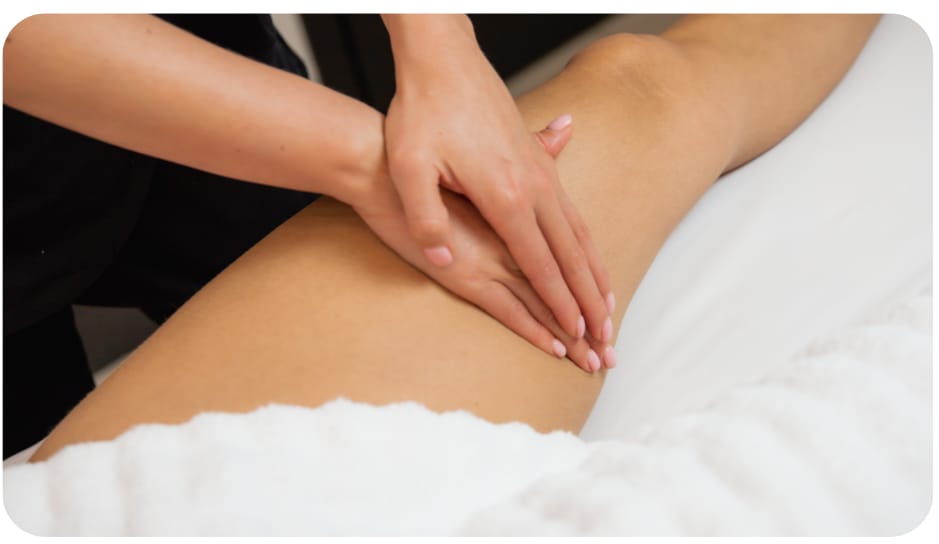
Brazilian Lymphatic Drainage: Aesthetic Accelerator for Wellness Clients
BLD comes into play when clients are medically stable and want to achieve quick, visible improvements—such as reducing water retention, contouring the abdomen, and improving skin appearance. According to ShapeFX Academy, contouring techniques should only be applied 2-3 months after surgery and with medical clearance. BLD techniques, particularly those we teach, align perfectly with luxury wellness services and can offer a premium revenue stream due to their immediate results and strong client demand.
Safety and Contraindications
Lymphatic work—regardless of the style—must never be performed when the client has:
- Active infection, fever, or acute inflammation
- Cellulitis or unexplained sudden swelling, especially in one limb
- Suspected blood clots, sudden shortness of breath
- Uncontrolled heart or kidney failure
Excessive pressure during MLD can collapse capillaries, losing the therapeutic effect. Meanwhile, aggressive BLD too soon post-surgery can lead to tissue damage or delay healing. ShapeFX Academy’s approach stresses strict intake, thorough consent, and clear boundary setting to protect your clients and your business.
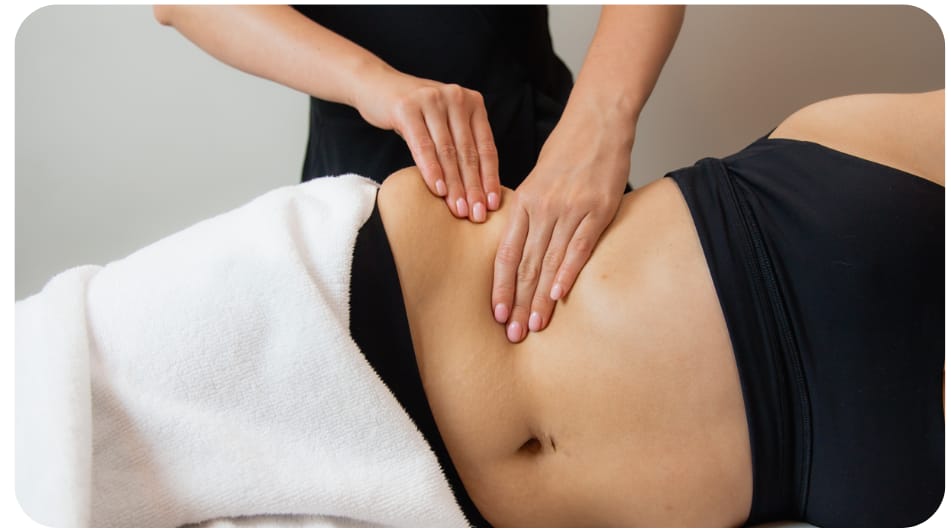
Client Experience: What Clients Notice
Manual Lymphatic Drainage
- Light, gentle techniques may surprise clients expecting deep pressure
- Lasting relaxation and gradual reduction in heaviness, swelling, or puffiness
- Best for clients who value long-term health improvements and subtle change over time
Brazilian Lymphatic Drainage
- Firmer, more dynamic strokes—comfortable but noticeably different from MLD
- Includes abdominal work and sometimes guided breathwork, supporting digestion and visible waist sculpting
- Before and after photos document an immediate difference in measurements and body contour
- Ideal for clients who want quick visible change or body sculpting
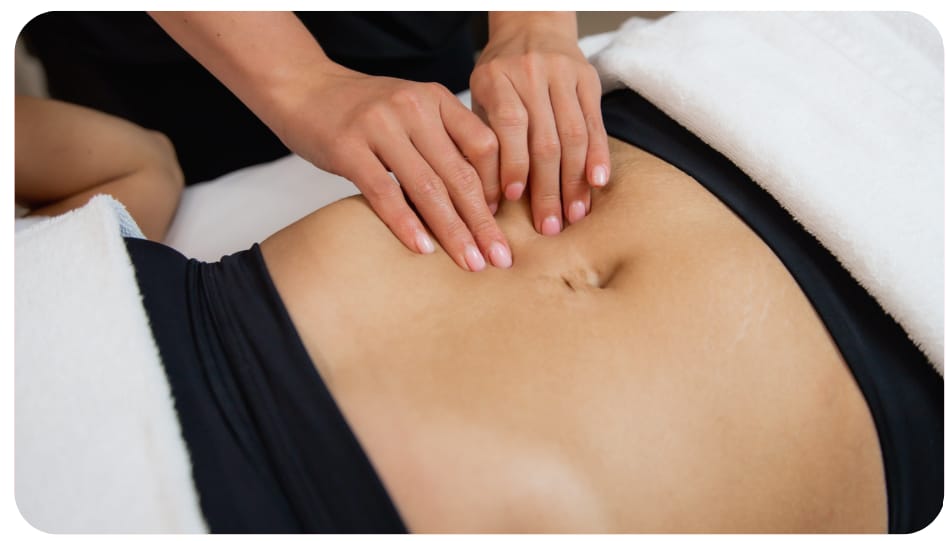
Business Considerations: Earning Potential and Positioning
Brazilian lymphatic drainage offers robust business potential, with many graduates of ShapeFX Academy confidently charging $200–$300 per session and positioning themselves in the luxury and celebrity wellness market. This premium pricing is supported by recognizable, marketable visual results and strong social proof (such as before/after images, testimonials, and repeat bookings). Our ShapeFX Method Masterclass curriculum covers both the science and business strategy required to stand out in this growing field.
Meanwhile, a foundation in MLD gives practitioners medical credibility and the opportunity to safely serve post-surgical and medically complex clients. This dual expertise allows for ethical screening, appropriate treatment, and clear boundaries—helping protect both your clients’ safety and your professional reputation.
What Practitioners Must Know: Training and Skill Set
Offering effective lymphatic therapy involves:
- A thorough understanding of lymphatic anatomy, contraindications, and safety protocols
- Ability to distinguish between the goals and techniques of MLD and BLD
- Clear consultation and consent process, with comprehensive intake and screening
- Mastery of technique variations for different client needs (for example, after surgery vs. body sculpting goals)
- Visual documentation to track and demonstrate client results
The ShapeFX Method Masterclass covers all these elements, including hands-on practice, before/after photo tips, and even pricing strategies for building a high-earning practice.
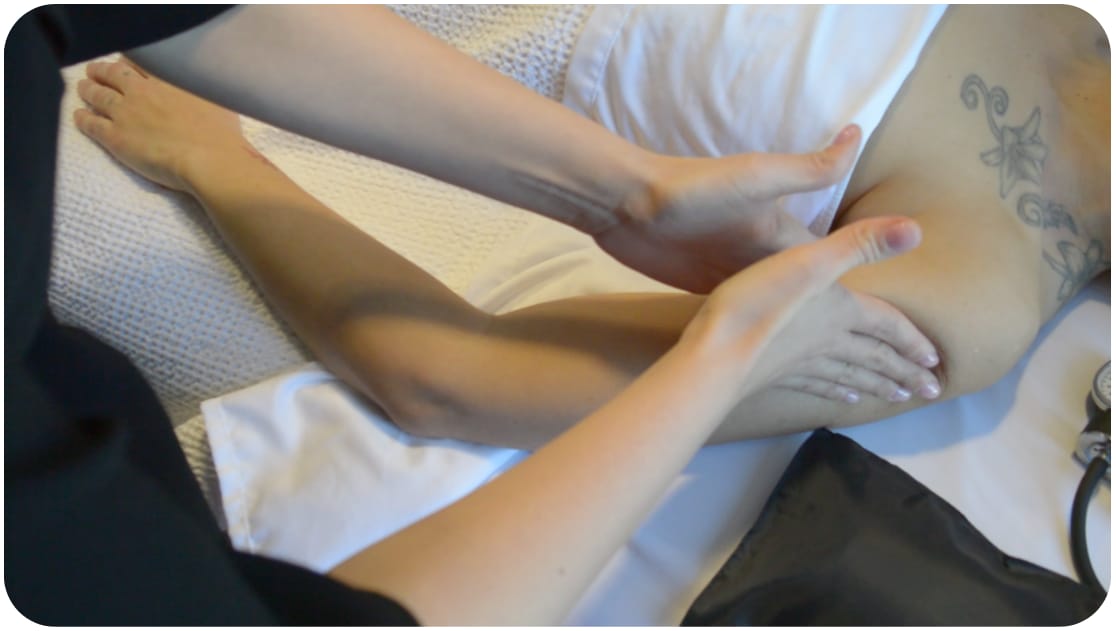
Best Practices for Therapists and Estheticians
- Always begin with a comprehensive intake and clarify if the client is post-op, medically complex, or seeking body sculpting
- Use MLD for clients with medical conditions, fragile tissues, or within 2-3 months post-surgery
- Transition only to BLD after full healing and medical clearance
- Adjust pressure, medium, and pace deliberately based on client status and goals
- Record and track visual results for accountability and marketing (with client consent)
If you’re interested in a deeper dive and applicable protocols, see our past blog Post-Op Lymphatic Massage Training: What Practitioners Need to Know Before Offering It and Is a Brazilian Lymphatic Drainage Course Worth It for Your Massage Business?.
FAQ: Brazilian Lymphatic Drainage vs Manual Lymphatic Drainage
What if my client has had surgery recently?
Use only gentle, post-op MLD—never BLD—until at least 2-3 months post-surgery, with surgeon clearance. MLD supports healing, swelling reduction, and comfort.
Can I switch a client from MLD to BLD?
Yes, provided all contraindications are screened out and the client is medically stable. BLD is ideal for aesthetic improvements once full tissue healing has occurred.
Does ShapeFX Academy training include both styles?
Our program is built on research-informed Brazilian lymphatic drainage, with a strong focus on anatomical knowledge, safety protocols, contraindications, and when traditional MLD is required. You’ll learn to identify when each approach is best for your clients.
Can I take ShapeFX Academy’s course if I’m new to lymphatic massage?
Absolutely. Our training is suitable for beginners and seasoned practitioners, with no prerequisites. All material, safety, and business foundations are included.
What are the main contraindications I should look for?
Never treat a client with active infection, fever, acute inflammation, diagnosed blood clots, or uncontrolled organ failure. Always review medical status at every intake.
How soon after surgery can clients have BLD?
Wait at least 2-3 months, ensuring all drains are removed and incisions have healed. Always defer to the surgeon and medical best practices.
Conclusion: Your Path to Lymphatic Mastery
Both manual lymphatic drainage and Brazilian lymphatic drainage offer massive benefits for your clients and business. The key is matching the technique to the individual—using true MLD as your foundation for safety and medical trust, and adding BLD when your client is ready for contouring, visible transformation, and wellness support. At ShapeFX Academy, our blended, evidence-based approach positions you as a true expert in the eyes of clients, referrers, and your professional peers.
If you’re ready to master research-informed Brazilian lymphatic drainage and earn premium fees while supporting your clients’ best outcomes, explore our online and in-person training programs. We’re here to help you build a practice based on science, ethics, and deep client trust.