What to Include in a Lymphatic Drainage Client Intake Form
A meticulously designed lymphatic drainage client intake form is fundamental for practitioner safety, treatment effectiveness, and client trust. At ShapeFX Academy, we emphasize that such forms are not just administrative documents, but the backbone of session planning, risk management, and professional standards. They safeguard clients by ensuring therapists recognize contraindications, clarify treatment goals, and maintain comprehensive documentation, whether your focus is wellness, aesthetics, post-op recovery, or medical support.
Drawing from extensive training and service experience in Brazilian lymphatic drainage, ShapeFX Academy believes that intake forms should reflect the specificity and clinical attention this modality demands. The following guide outlines in detail what you should include in a lymphatic drainage client intake form, why each section matters, and how this supports optimal care and business growth.
What is a Lymphatic Drainage Client Intake Form?
A lymphatic drainage intake form is a confidential document completed prior to a client's first session. It gathers all relevant personal, medical, and treatment-specific information so the therapist can deliver care that is both safe and tailored to the individual. These forms are essential for protecting the client, supporting your professional obligations, and ensuring consistent, structured treatment approaches.
Core Elements to Include in Every Intake Form
- Identification and Contact Information: Full legal name, preferred name, phone, email, home address, date of birth, emergency contact details, and primary health provider if relevant. Gender and pronouns may be included to promote comfort and clarity.
- Reason for Visit & Goals: Why the client is seeking lymphatic drainage, specific outcomes desired (relaxation, swelling reduction, post-op support, body contouring, or other concerns), and previous experience with the modality.
- Relevant Medical History: Previous and current surgeries, history of radiation, lymph node involvement, cancer treatment past or present, pregnancy, chronic conditions, circulatory and immune disorders, recent infections or fevers. Information in this section determines if therapy is appropriate or requires modification, especially in specialized contexts like post-op or oncology care.
- Current Symptoms & Body Concerns: Detailed, prioritized symptom reporting (e.g., swelling, stiffness, tingling, numbness, painful areas), their location, onset, and any triggers or relievers. This documentation supports evidence-informed treatment and progress tracking.
- Contraindication & Safety Screening: Checkboxes for contraindications including fever, infection, cellulitis, suspected or confirmed DVT, shortness of breath, uncontrolled cardiac, kidney, or hepatic disease, unhealed incisions, recent or ongoing antibiotic use, and neuropathy. ShapeFX Academy particularly emphasizes the importance of absolute contraindication screening for post-op clients (see our guide on post-op lymphatic massage training).
- Medications, Supplements & Allergies: Current prescriptions, including blood thinners or anti-inflammatories, over-the-counter medications, vitamins, supplements affecting swelling, allergies to oils, creams, latex, adhesives, or sensitivity to certain products. This protects against adverse reactions during procedures.
- Informed Consent & Privacy Language: Clear, client-friendly language confirming understanding of treatment, possible risks and benefits, the right to discontinue, the need for health update disclosure, and permission to contact health providers if needed. Privacy sections must address data handling, record retention, and permissions for before–after photos (optional and separate from treatment consent).
- Session Notes & Progress Tracking (for recurring care): Areas treated, session date/duration, client response, pre-post session symptoms, self-care instructions given, and future goals. This is especially valuable for body sculpting or post-op work where clear baselines and outcomes are important for documentation and communication.
- Signature & Date: Legal and ethical proof that information was provided voluntarily and honestly, and consent for therapy is given.

Essential Post-Op Lymphatic Drainage Questions
If your practice includes or specializes in post-surgical lymphatic drainage (liposuction, BBL, tummy tuck, etc.), your form must be even more detailed. ShapeFX Academy recommends practitioners document:
- Type and date of surgery
- If drains were placed and date removed
- Current wound status—incisions must be fully closed and healed before treatment begins
- Surgeon or physician's explicit clearance for MLD
- Any ongoing antibiotics, infection, or fever
- Red-flag symptoms (sudden swelling, shortness of breath, severe pain) require physician review before treatment
- Compression garment use (if prescribed)
- Number of sessions since surgery and results so far
For further guidance on contraindications and safety, reference our in-depth blog: When Should Therapists Avoid Lymphatic Drainage Massage?
Privacy, Documentation, and Client Consent
Intake forms at ShapeFX Academy are designed to support both ethical obligations and the client experience:
- Include explicit privacy and record storage language in compliance with national laws
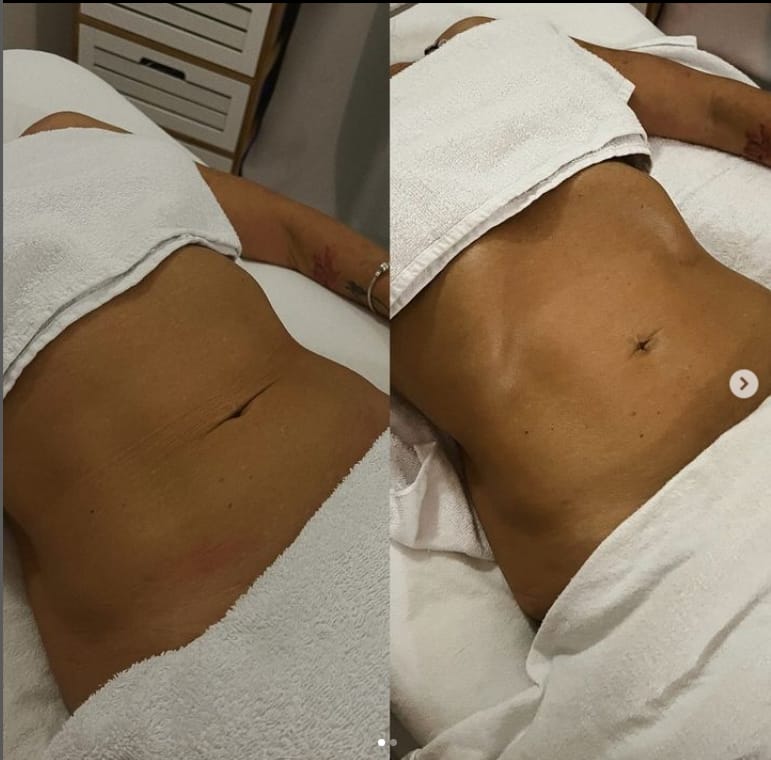
- If before-and-after photos are taken for educational, marketing, or clinical tracking, provide a separate consent section with opt-in and opt-out
- List what type of data may be shared (to health team only, with written permission, etc.)
- Update forms if your business introduces new services or modalities

Framework: Step-by-Step Intake Form Structure
- Section 1: Client’s personal and emergency identification
- Section 2: Reason for visit, main goals, and prior lymphatic drainage experience
- Section 3: Comprehensive medical and surgical history
- Section 4: Details about current symptoms and regions of concern
- Section 5: Medication and allergy disclosure
- Section 6: Contraindication checklist (with required further clarification if ticked)
- Section 7: Post-op clearance if relevant
- Section 8: Consent and privacy (including photo permission if needed)
- Section 9: Signature and date (digital or ink, in line with your record-keeping method)
Many massage therapists find it useful to keep general and post-op forms separate, as suggested in the ShapeFX Method Masterclass curriculum.
Best Practices for Lymphatic Drainage Intake Forms
- Keep language friendly and accessible—avoid unnecessary medical jargon
- Consolidate common items with checkboxes for quick screening
- Use open text fields where nuance matters, such as history of lymphatic or immune conditions
- Regularly review and update your form to reflect advancements in services or practitioner training
- Always review the intake verbally with the client if anything is unclear before beginning treatment
- Teach every team member, including new hires or trainees, how to use and interpret the form thoroughly
For those interested in capturing high-quality before-and-after results for documentation, explore our post on how to photograph lymphatic drainage results ethically and consistently.

Example Core Intake Questions
Including simple, open-ended questions makes your form more client-centric:
- What is your primary goal for today’s lymphatic drainage session?
Examples: relieve swelling, restore comfort after surgery, reduce bloating, or learn self-massage for home maintenance - Where are you currently experiencing discomfort, tightness, or swelling?
- Have you received lymphatic drainage before? If yes, when?
Asking for clients to prioritize symptoms and describe expectations allows you to create a tailored, high-impact session strategy.
Why the Intake Form Matters for Therapists and Clients
A thoroughly planned intake form is a keystone of professional practice. It minimizes clinical errors, optimizes session results, and demonstrates your commitment to evidence-based care. For massage therapists and aestheticians building their reputation—or seeking to position their business in the premium market—clear, comprehensive documentation underscores credibility to clients, colleagues, and regulators.
ShapeFX Academy builds these principles into all our training. Our approach equips practitioners to not only deliver results but also to provide a gold standard of clinical and business management. For more on developing a premium lymphatic drainage practice, consider our insights on the value of lymphatic drainage training for business growth.

Frequently Asked Questions
What information is most critical for client safety in lymphatic drainage?
Screening for contraindications is absolutely vital. This includes checking for acute infection, open wounds, fever, uncontrolled cardiac or kidney conditions, recent surgery without clearance, and red-flag symptoms like sudden swelling or shortness of breath. At ShapeFX Academy, we instruct practitioners to halt treatment and refer to a physician if any of these are present.
How detailed should the surgical history be on the intake form?
For general wellness clients, note past procedures and ongoing medical care. For post-op clients, specify the surgery type, date, surgeon’s name, clearance status, wound healing, and whether drains are removed. More detail supports better post-surgical results and safety.
Do you need separate intake forms for post-op vs general lymphatic massage?
Ideally, yes. ShapeFX recommends using a simpler form for wellness sessions and a detailed, extra-screened version for post-op clients to ensure higher safety and more precise care planning.
Can intake forms be kept digitally?
Yes, many practitioners now use digital record systems. Be sure your privacy language clearly explains digital storage and the security protocols in place, and comply with regional health data laws.
Should you include consent for photos on the main form?
Best practice is to separate treatment consent from photography consent. This allows clients to choose whether or not to participate in before-and-after documentation independently from their medical care permission.
How often should you review or update your intake form?
Review your forms at least once per year, or immediately if you introduce new services, modalities, or regulation changes. Many professionals update forms after attending advanced training like the ShapeFX Method Masterclass, ensuring their documentation reflects the latest standards and techniques.
Conclusion
Designing a comprehensive lymphatic drainage client intake form requires careful attention to both client safety and professional growth. Each section—identification, goals, medical history, symptoms, contraindications, medication use, consent, and documentation—serves a strategic purpose in building ethical, effective, and premium results-based practice. As a leader in evidence-informed lymphatic drainage education, ShapeFX Academy provides practical training, resources, and support for professionals ready to offer the highest standard of care. For more resources and advanced professional guidance, explore our training options or reach out directly to our specialist team.