How to Sell More Massage Gift Cards Without Discounting Your Services
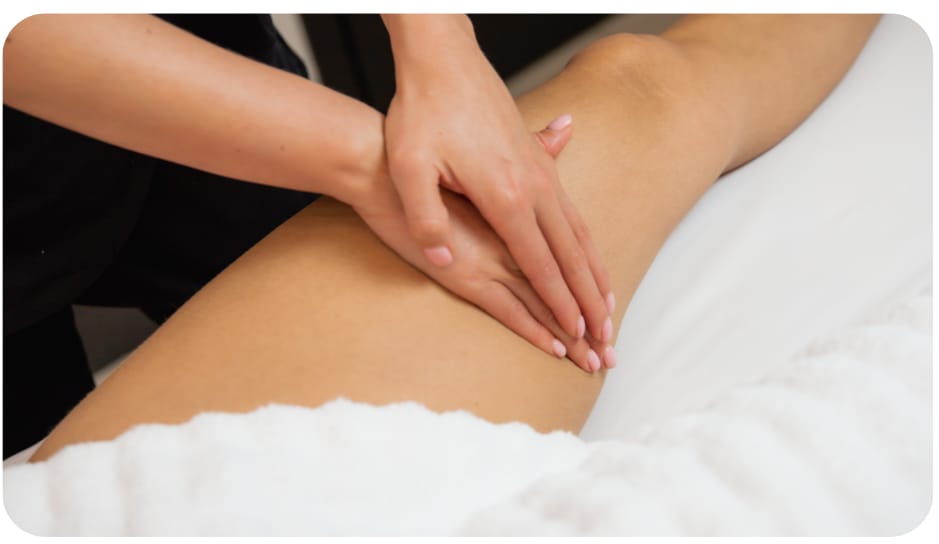
To sell more massage gift cards without discounting your services, make the gift easy to understand, easy to purchase, and genuinely appealing to the person receiving it. Keep your regular treatment price intact. Instead of advertising a cheaper massage, describe a specific experience, explain exactly what is included, and give the buyer a clear way to purchase it.
The sale does not end when someone pays for a card. A thoughtful gift card offer also makes redemption straightforward, screens the recipient before treatment, and gives that person a reason to trust your practice after their first visit. At ShapeFX Academy, we teach massage therapists and aestheticians to think about the complete client experience, from accurate service descriptions and consent to professional treatment and follow-up. Those same fundamentals make a giftable service more compelling without cutting its price.
What is a massage gift card strategy without discounting?
It is a way to sell a prepaid massage or a contribution toward treatment at its normal price, while improving how the service is presented and purchased. The added appeal comes from clarity, convenience, personalization, and the experience itself, not from reducing the therapist's fee.
That distinction matters. A discount changes what you earn for the appointment. A well-presented gift card helps the buyer understand why the appointment is worth giving. It might be a clearly described treatment for someone who needs time to relax, or a flexible value card for someone whose preferences the buyer does not know.
The strongest offer answers two different questions at once:
- For the buyer: Is this a thoughtful gift I can confidently choose and deliver?
- For the recipient: What will happen when I book, and will the treatment suit me?
If either answer is unclear, more promotional posts will not fix the underlying problem. Start by improving the offer.
Build the gift around the service you can confidently deliver
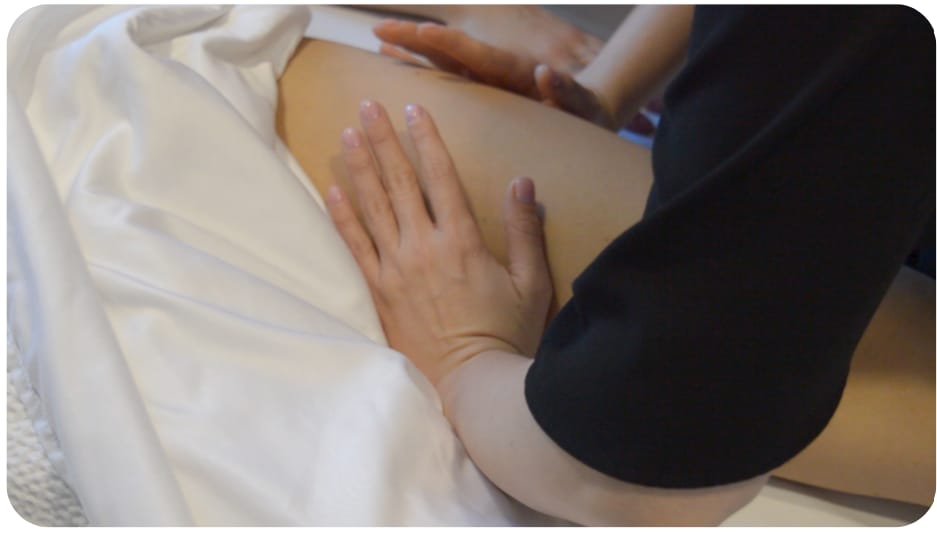
A gift card does not need a dramatic name or an elaborate package. It needs an accurate description of the treatment, its duration, and the experience the recipient can reasonably expect. For a massage practice, that might mean describing a quiet, professionally delivered session with time for a consultation and questions. For a practitioner trained in Brazilian lymphatic drainage, it may mean explaining the gentle technique, breathwork, and areas of treatment without promising a particular visible result.
Our recommendation is to separate what the practitioner does from what the client might experience. You can control the appointment length, the consultation, the technique within your scope, and the care taken with comfort and consent. You cannot promise that every recipient will feel or look the same afterward.
Compare these descriptions:
- Too vague: “Massage gift card available.” The buyer still has to work out what they are giving.
- Too ambitious: “The gift of instant detox and guaranteed body sculpting.” This promises outcomes that should not be used to sell an appointment.
- More useful: “A Brazilian lymphatic drainage session with a consultation, gentle bodywork, and time to discuss what to expect. The recipient books an appointment that suits their schedule, subject to a health intake before treatment.”
Simple language makes the service easier to recommend, too. If your clients want to share an experience with a friend, give them a description they can repeat without needing to explain anatomy or defend exaggerated claims. For more on responsible treatment messaging, read our guide to marketing lymphatic drainage without detox claims.
Choose gift card options that reduce buyer uncertainty
People buying for themselves know their preferences. Gift buyers often do not. Give them a small set of understandable choices rather than a long treatment menu with unfamiliar terms. The right selection depends on your practice, but these formats solve different buying problems.
A specific treatment card
Use this when the purchaser knows the recipient wants a particular service. State the treatment name, appointment length, what is included, and whether the recipient will need to complete an intake before booking or attending. If you offer Brazilian lymphatic drainage, explain that it is a distinct treatment rather than assuming the buyer understands the name.
Price the card at your normal service rate. If you later change your prices, have a written policy explaining how a card purchased for a named service will be honoured. Make that policy clear before payment, not when the recipient arrives.
A flexible value card
Use this when the purchaser wants to give toward care but does not know which treatment is appropriate. Clearly state the monetary value and how a remaining balance is handled. This can be a better fit when the recipient's preferences, medical history, or treatment eligibility are unknown.
Do not treat flexibility as an excuse for an unclear offer. Tell the buyer how the recipient can learn about services and how to apply the card when booking.
A full-price series, when it genuinely suits the service
Some clients may prefer to give more than one visit. If you offer a series, explain what each appointment includes, how scheduling works, and what happens if the recipient cannot complete the planned treatment. Do not imply that a series is medically necessary or that repeat sessions guarantee an outcome.
A multi-visit gift should be a thoughtful choice, not a tactic for tying someone to appointments they did not request. Our article on creating a lymphatic drainage treatment package clients actually complete explores how to make a series practical for clients.
Add value without quietly giving away your time
“Add a bonus” sounds easy, but a complimentary treatment extension still uses appointment time. Before adding anything, ask what it costs you in practitioner time, materials, and scheduling capacity. A promotion that preserves the listed price but consumes extra billable time may function like a discount.
Look first for improvements to the buying and receiving experience that you can deliver consistently:
- Clear gift presentation: Give the purchaser wording that explains what the card covers and how to pass it on.
- Helpful booking information: Tell the recipient what to expect, how to prepare, and how to disclose relevant health concerns.
- A personal message: If your process permits it, let the purchaser add a note so the gift feels chosen rather than generic.
- Thoughtful service selection: Explain who a treatment is intended for, what it involves, and when a different service or a health consultation may be more appropriate.
Any extra product, additional treatment time, or service upgrade should be costed and described accurately. A gift card does not become more valuable just because the sales page lists more inclusions. The recipient must actually receive what was promised.
Make purchasing and redemption equally simple
A sale can be lost when the buyer has to ask basic questions before paying. A recipient can also have a disappointing first impression if they cannot work out how to use the card. Whether your practice sells cards through a booking platform, at reception, or by direct request, put the essential details in one place.
A useful gift card listing should tell buyers:
- The service or monetary value included and the full purchase price.
- Whether the card is delivered digitally, physically, or through another process you offer.
- How the recipient books and what information they should provide.
- Whether the treatment requires an intake, consultation, or clearance before an appointment can proceed.
- How cancellations, transfers, and unused balances are handled.
- Any applicable expiry terms, stated in line with the laws where you operate.
Test the process as if you were buying for a friend. Can you find the offer? Do you understand the total cost? Could you explain to the recipient what to do next? If the answer is no, improve the instructions before increasing promotion.
Pay particular attention to the handoff between payment and appointment. Keep a reliable record of the card's value, purchaser, recipient details where appropriate, redemption status, and any remaining balance. A prepaid card creates a future service obligation, so track it accordingly rather than treating every sale as an appointment already completed.
Promote the gift in moments when it is relevant
Not every client visit calls for a sales pitch. Relevant reminders work better than repeating “gift cards available” without context. The most natural time to mention one is when a client says they know someone who would enjoy the service, asks about a birthday present, or comments that a friend has been curious about massage.
A straightforward response is enough: “If you would like to give them a visit, I can explain our gift card options and how they book. We would complete a consultation with them before treatment.” It tells the client the option exists and protects the recipient's ability to make their own treatment decisions.
You can also place gift card information where interested buyers already look:
- On the relevant service page, close to a plain-language description of the treatment.
- In your appointment follow-up communication, if clients have agreed to receive promotional messages.
- In a social post showing what the treatment environment or appointment is like, with consent for any identifiable images.
- In a seasonal email that explains the offer, the purchasing method, and any ordering deadline.
- At your reception or checkout point, where a client can ask a question without interrupting a treatment.
Choose occasions that fit your clients rather than inventing a new campaign for every calendar event. Birthdays, thank-you gifts, and holidays can all provide a natural reason to buy. The occasion changes the message, not the treatment price or the standards of care.
A practical campaign sequence
Instead of posting the same graphic repeatedly, answer a different buying question each time. Introduce the gift and explain what is included. Later, show how someone purchases and redeems it. Then address the common uncertainty: whether the recipient needs to know which treatment to choose. Near a genuine delivery or ordering deadline, remind buyers of that deadline.
Keep a record of which messages lead to enquiries and purchases. If people repeatedly ask the same question, fix the gift card listing. If clients ask whether a treatment is suitable for a particular person, invite the recipient to discuss their own health and preferences directly with the practitioner rather than asking the gift buyer to decide on their behalf.
Let a specialty make the gift distinctive, not riskier
A focused treatment can give buyers a clearer reason to choose your practice. Brazilian lymphatic drainage, for example, is easier to describe as a specific experience than a broad promise to “feel better.” The specificity comes from the technique and the appointment structure. It does not require weight-loss promises, before-and-after guarantees, or claims that everyone needs the treatment.
ShapeFX Academy's ShapeFX Method Masterclass teaches lymphatic anatomy, safety, consent forms, technique variations, consultations, before-and-after photo guidance, and business advice alongside the Brazilian lymphatic drainage sequence. That combination matters when a practitioner wants to offer a service that can be described confidently and delivered responsibly. Training helps you explain what you do; it does not remove the need to assess each recipient individually.
Be especially careful with gift cards described as post-operative care. A purchaser cannot confirm that a recipient has been cleared for treatment simply by buying a card. Post-operative lymphatic drainage is a separate clinical consideration, and the timing and suitability depend on the individual's recovery and health status. If you work with surgical clients, learn how to distinguish the service before marketing it. Our guide to post-operative lymphatic massage training explains why that distinction matters.
Prepare for the recipient's first appointment
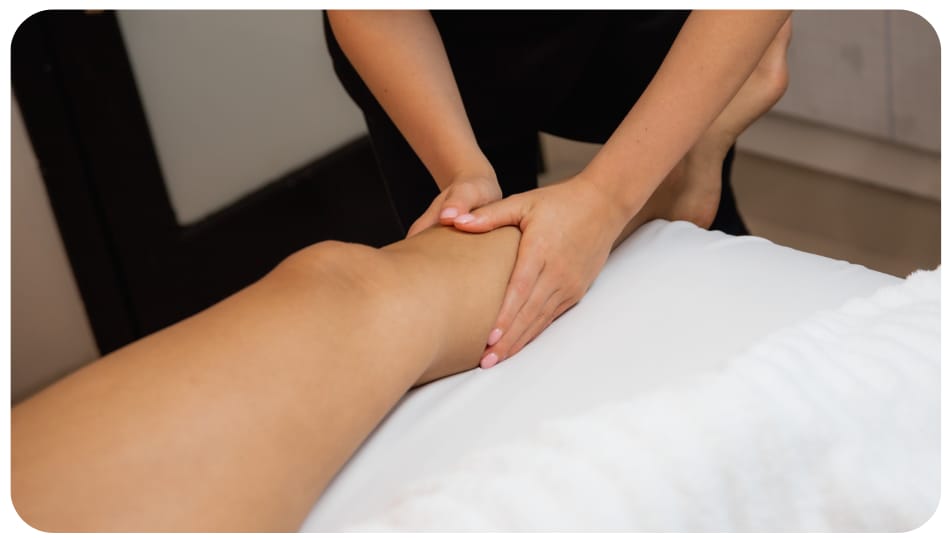
A recipient did not choose the practitioner in the same way a self-booking client might have. Some arrive excited; others may be unsure what the appointment involves. Treat the first visit as an introduction, not as an automatic opportunity to sell a series.
Before treatment
Explain the appointment in plain language and give the recipient a direct way to ask questions. Complete your usual intake and obtain informed consent. Confirm relevant health information rather than assuming the person who purchased the gift knows it. If the selected treatment is unsuitable, follow the terms you have communicated for discussing another option or resolving the card's value.
If your service includes abdominal work or other areas a new client may not expect, say so before the session and check consent. For a closer look at the information worth collecting, see what to include in a lymphatic drainage client intake form.
During and after treatment
Deliver the service described on the card, check comfort, and allow the recipient to decline or modify aspects of treatment within your scope and policies. Explain any reasonable aftercare advice without promising a particular result. If another visit could be useful, explain why and let the client decide. A calm, well-run first appointment is a stronger introduction to your practice than a pressured upgrade.
If you request feedback or permission to use a photograph, make that a separate choice. A gift card purchase does not grant consent for marketing images or testimonials.
Measure whether your gift card approach is working
Gift card sales alone do not tell you whether your approach serves the business well. Track what was sold, what remains to be redeemed, and what happened when recipients visited. You do not need an elaborate dashboard to start.
- Cards sold: Which service or value option did buyers choose?
- Revenue received: How much was paid, and what future appointment capacity does it represent?
- Cards redeemed: Which cards have been used, and what balance remains?
- Recipient experience: Did buyers or recipients have trouble understanding the offer, booking, or policies?
- Return visits: Did recipients later book on their own, where your records and privacy practices allow you to assess this?
Review the questions people ask as carefully as the sales. Frequent questions about expiry suggest your terms need clearer wording. Frequent uncertainty about what the treatment includes suggests your description needs work. If recipients struggle to find a suitable booking time, promoting more cards before reviewing capacity may create frustration rather than growth.
Best practices for full-price massage gift cards
- Protect the treatment's normal price. If the appointment is worth your listed rate when a client books it, it is worth that rate when someone gives it as a gift.
- Sell a real service, not a predicted outcome. Describe the session, consultation, and approach. Avoid guaranteed changes in appearance or health.
- Keep the buyer's decision simple. Offer a specific treatment when appropriate and a flexible value option when the recipient's needs are unknown.
- Make terms visible before payment. Clarify redemption, balances, cancellations, and applicable legal requirements in your location.
- Respect the recipient's autonomy. A gift is an invitation to book, not consent to a particular technique or a commitment to further appointments.
- Promote consistently but usefully. Each reminder should answer a real question or serve a genuine occasion.
- Check capacity before a large campaign. Make sure recipients can reasonably book the service you are selling.
Frequently asked questions
Should I sell a massage gift card for a specific service or a dollar amount?
Offer a specific service when the buyer knows the recipient wants that treatment and you can explain exactly what it includes. A dollar amount gives the recipient more choice when their preferences or treatment suitability are unknown. In either case, explain how booking and any remaining balance work.
How do I make a full-price gift card feel special?
Make the experience easy to picture and easy to give. Write a clear service description, provide usable delivery and booking instructions, and allow a personal message if your sales process supports one. Thoughtful presentation is more valuable than an added service you cannot consistently deliver.
Do I need to offer a free add-on to sell more cards?
No. Clear choices, convenient purchasing, and a well-run appointment may be enough. If you do offer an add-on, calculate the time and cost involved and make its scope explicit. A free extension that displaces a paid appointment can erode your margin even if you have not changed the gift card price.
Can I promote a Brazilian lymphatic drainage gift card to someone who has never had massage?
Yes, provided you describe the session accurately and assess the recipient before treatment. Explain what the technique involves, including any abdominal work, and give the recipient an opportunity to ask questions and consent. Do not assume that receiving a card makes every aspect of treatment appropriate for them.
What if the gift recipient is not suitable for the treatment purchased?
Do not proceed with an unsuitable treatment just because it has been prepaid. Complete the intake, explain your concern, and follow your published terms for applying the card to another appropriate service or addressing its value. Write that process before you begin selling treatment-specific cards.
Should gift cards have an expiry date?
Check the consumer protection rules that apply where you sell them before setting an expiry or other restriction. Make the terms clear to the buyer before payment and keep an accurate record of balances and redemptions. Do not rely on a policy copied from a practice in another jurisdiction.
How can I tell whether gift cards bring in lasting clients?
Record sales and redemptions, then look at whether recipients choose to return after their gifted visit. Also track common booking questions and complaints. Those details show whether the offer is attracting suitable new clients and whether the experience matches what buyers expected.
Keep the value of your work visible
More gift card sales do not have to come from lower prices. A clear offer helps the buyer choose, straightforward terms help the recipient book, and a careful first appointment gives that person a reason to come back. Improve those steps before reaching for a discount.
If a distinctive Brazilian lymphatic drainage service is part of the practice you want to build, explore training with ShapeFX Academy. We teach the technique alongside the safety, consultation, and business foundations needed to present it with confidence and care.