How Pressure, Pace, and Direction Shape a Brazilian Lymphatic Drainage Session
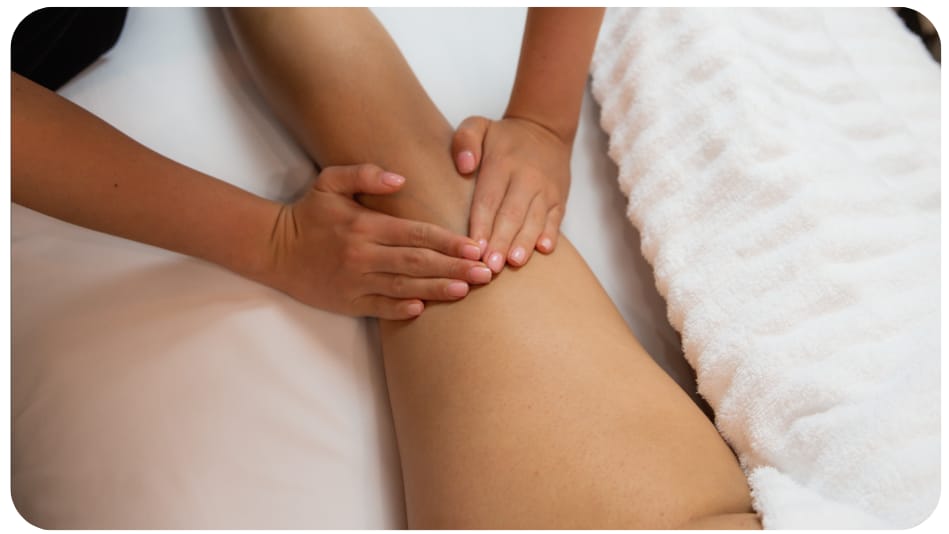
Pressure, pace, and direction are the core variables that directly define both the effectiveness and experience of Brazilian lymphatic drainage massage. For any practitioner aiming to deliver consistent, client-safe results, a deep understanding of these elements is essential. At ShapeFX Academy, these are not peripheral details—they are the foundation of both technique mastery and visible client transformation.
Brazilian lymphatic drainage is distinct from traditional Manual Lymphatic Drainage (MLD) in that its outcomes—reduced swelling, better contour, improved comfort, and a sense of immediate lightness—are achieved by explicitly manipulating pressure, pace, and anatomical direction. This is particularly relevant for massage therapists and estheticians seeking to elevate their practice and client satisfaction. The ShapeFX Academy method is built on evidence-based, hands-on teaching that ensures practitioners understand how these variables work together within a session.
Definition: Brazilian Lymphatic Drainage and Its Core Variables
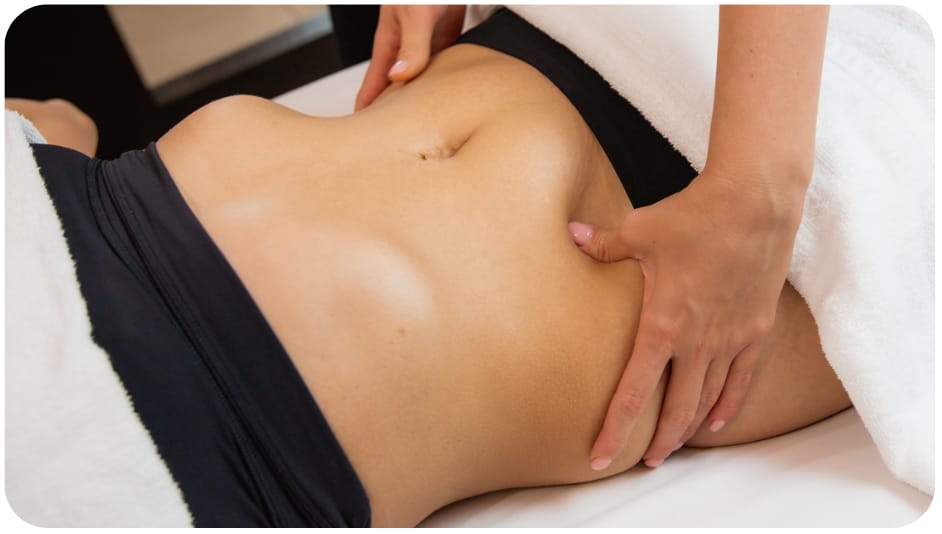
Brazilian lymphatic drainage is a manual therapy technique designed to eliminate excess interstitial fluid and cellular waste by stimulating lymphatic pathways. What makes this technique unique is its use of:
- Pressure – firmer than classical MLD, but always comfortable
- Pace – brisk, rhythmic, and energizing, engineered for visible contour
- Direction – deliberate, following lymph flow toward node clusters
The specific manipulation of these elements produces targeted drainage and a sculpting effect—not just relaxation. At ShapeFX Academy, our curriculum, whether in person or online, emphasizes this triad, ensuring that practitioners learn not just the motions, but the reasoning behind them.
Step-by-Step Framework: How Pressure, Pace, and Direction Integrate in a Session
- Client Assessment: Collect a full intake and clarify goals, comfort levels, and any contraindications prior to session start. (Learn more about intake protocol in our client intake form guidance.)
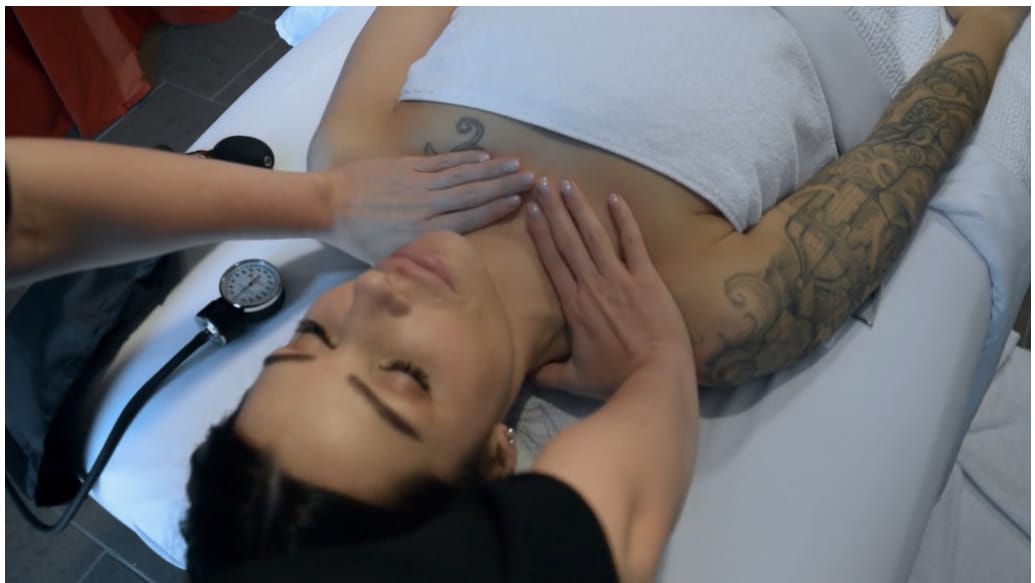
- Node Activation: Begin by opening major lymph node regions (cervical, axillary, abdominal, inguinal). By prepping these nodes, you create physiological space for fluid to drain efficiently.
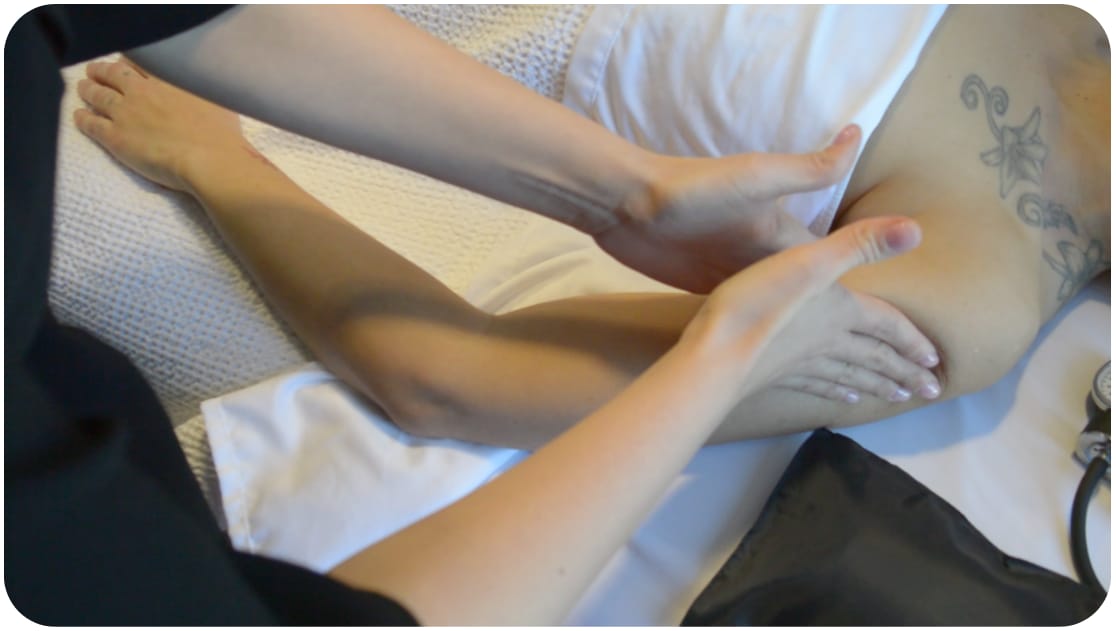
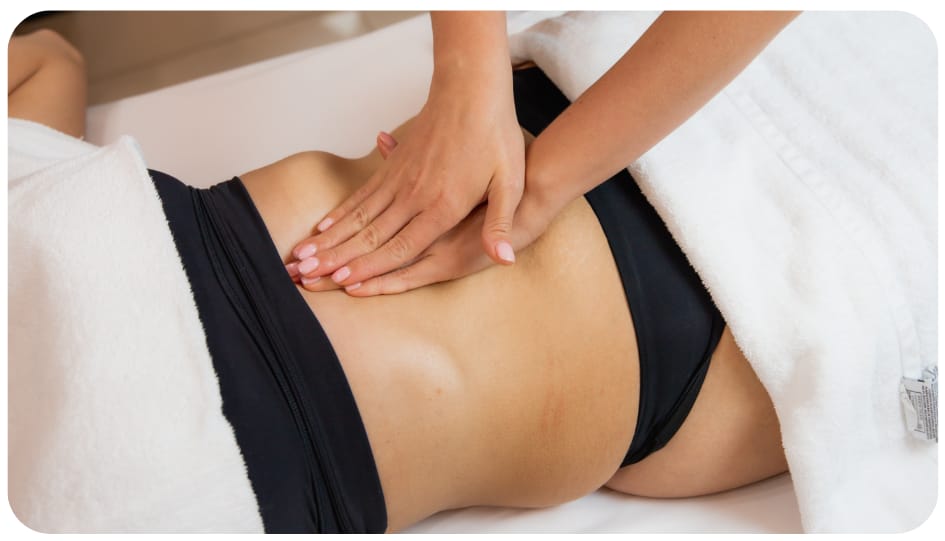
- Pressure Application: Employ medium to firm, rhythmic pressure—firm enough to move superficial lymph but never enough to cause pain or tissue trauma. This varies anatomically (lighter for neck and inner arms, firmer for abdomen, hips, and legs).
- Pace Management: Keep the pace dynamic and organized. Unlike the slow, sedative tempo of classic lymphatic massage, use brisk cycles that maintain engagement and help produce both drainage and contour.
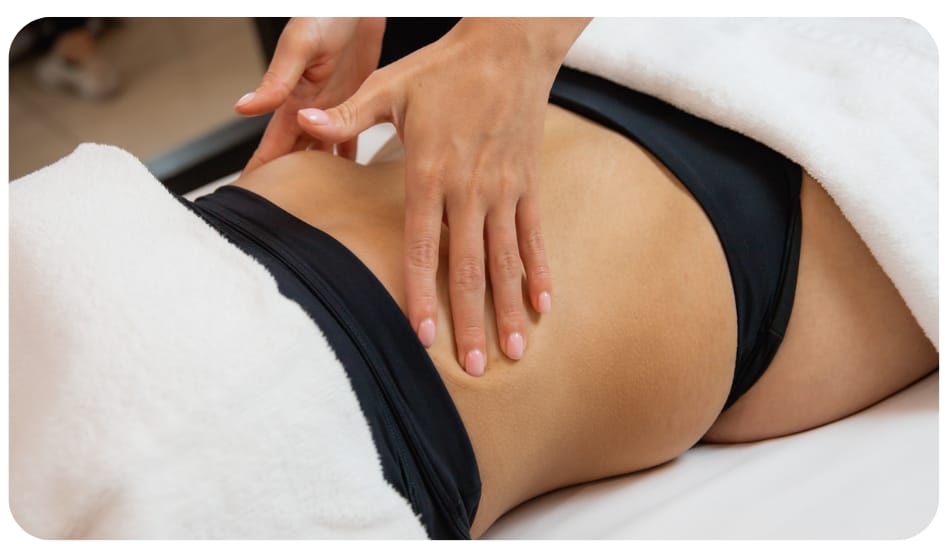
- Directional Stroke Sequencing: Direct each stroke toward node clusters, using repeatable patterns that reinforce physiologic drainage. Sculpting sequences especially target high-fluid retention zones such as the abdomen, waist, and legs.
- Ongoing Reassessment: Monitor tissue compliance and client feedback to make micro-adjustments. Ideal treatment produces a lighter, more defined visual appearance and improved mobility.
- Integration and Finish: Ease off with calming moves so clients finish both invigorated and soothed, maximizing both evidence-based results and client comfort.
In-Depth: How Each Variable Makes or Breaks a Brazilian Lymphatic Drainage Session
Pressure: The “Just-Right” Touch
- Brazilian lymphatic drainage is firmer than classical MLD but never bruising or deep tissue. The aim is to mobilize subcutaneous fluid, not work deep into muscle layers.
- Practitioners adjust pressure for each body zone—always erring on the side of client comfort. A good reference: you want a visible wave or contour effect, but never guarding or discomfort.
- Continuous client check-ins and tissue reading (especially in the first 10 minutes) are core best practices at ShapeFX Academy training. This builds trust and maximizes outcomes.
Pace: Dynamic Rhythm That Drives Results
- Where classic techniques are slow and meditative, the Brazilian method is brisk and upbeat—but structured. This helps engage more tissue, increases lymphatic movement, and produces the signature sculpted feel.
- Pace is never random; too fast and structure is lost, too slow and drainage is inefficient. Consistency is key for both client experience and visible results.
Direction: Anatomy-Based, Not Random
- Drainage follows anatomical lymphatic routes, not just arbitrary massage directions. All movement is channeled toward node clusters for systemic benefit.
- Sessions always start centrally (node-rich zones) before working towards periphery, then back again as fluid is mobilized. This sequencing is fundamental to the protocols taught at ShapeFX Academy.
What ShapeFX Academy Teaches About Mastering These Elements
At ShapeFX Academy, our curriculum for Brazilian lymphatic drainage is deeply practical. We uncompromisingly teach therapists to:
- Understand the functional anatomy underlying lymphatic drainage and why pressure, pace, and direction matter at every step
- Practice the three variables hands-on, with real-time instruction on adapting to client feedback
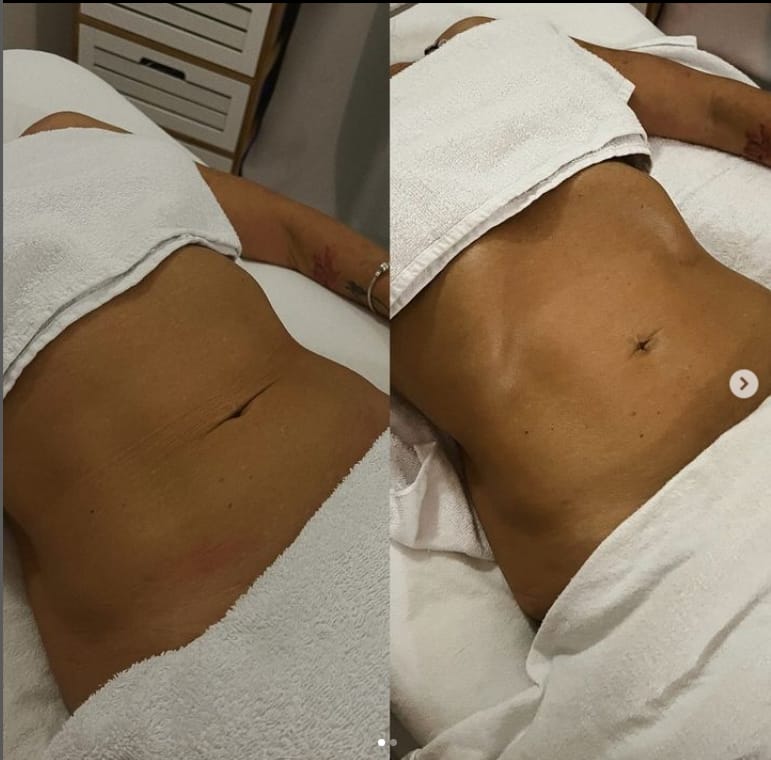
- Document their work using before-after photography and track outcomes without staging or unethical comparison (See our ethical photo guide here)
- Learn variations for wellness, post-op, and body sculpting clients based on the latest best practices
- Build client trust through transparency, consent, and safety-first protocols (See: intake form essentials)
Our evidence-informed methods are designed so that every practitioner, whether new or experienced, finishes training truly confident in their ability to deliver repeatable, client-centered results.
Common Mistakes and How to Avoid Them
- Applying deep tissue force instead of lymphatic-appropriate pressure
- Moving too quickly without structure, creating a chaotic session experience
- Neglecting node activation and skipping the critical opening phase
- Assuming firmer is always better—when in fact, client comfort signals must lead
- Ignoring feedback, both verbal and visual, from the client and tissue response
At ShapeFX Academy, practical coaching and real-time correction are part of every course to prevent these errors and elevate practitioner skill sets.
Best Practices: ShapeFX Academy Recommendations
- Always start with focused intake and check contraindications before commencing treatment.
- Adjust pressure, pace, and direction continually—never rely solely on routine. Each client’s tissue and needs are unique.
- Integrate client feedback throughout the session and adapt as necessary.
- Document results ethically to build trust and marketing evidence. (For guidance on ethical result photography, see our blog on ethical photography.)
- Stay evidence-informed: combine scientific knowledge, practical experience, and continuous training.
- Never attempt Brazilian lymphatic drainage in acute inflammatory, infectious, or contraindicated presentations. For more on contraindications, read When Should Therapists Avoid Lymphatic Drainage Massage?
How the ShapeFX Approach Supports Business Growth
For massage therapists and estheticians, the ability to confidently and precisely manipulate pressure, pace, and direction translates directly into repeat bookings, client referrals, and expanded services. In an era where clients are increasingly educated and results-driven, vague or inconsistent treatments simply do not compete.
ShapeFX Academy’s method trains you not just in the how, but the why—empowering your ability to explain your craft to clients seeking premium care. Our graduates report higher service prices, more loyal clientele, and greater readiness to deliver in both wellness and post-op scenarios. (For more perspective, read: How Much Can Therapists Charge for Brazilian Lymphatic Drainage Massage?)
Frequently Asked Questions
Is Brazilian lymphatic drainage supposed to be painful or leave bruising?
No. Brazilian lymphatic drainage should always be comfortable. While firmer than classical MLD, it must never cross into painful territory or create bruising. Pressure remains subcutaneous, not deep-tissue.
How do pressure, pace, and direction differ from classic Manual Lymphatic Drainage?
Classical MLD employs lighter, slower, more meditative movements. The Brazilian approach is distinctly firmer, faster, and engineered for both drainage and visual contour, always integrated with anatomical direction. We detail these key contrasts in our guide: Brazilian Lymphatic Drainage vs Manual Lymphatic Drainage.
Which areas of the body benefit most?
Brazilian lymphatic drainage is particularly effective for zones of fluid retention—abdomen, waist, hips, legs, and arms are most frequently targeted. Each area’s approach is tailored anatomically and by client need.
Can these methods be used post-surgery?
Yes, but only when drains are removed and incisions are healed. Specific post-operative protocols and contraindications must be observed, and practitioner communication with healthcare providers is critical. ShapeFX Academy covers these essential variables in both our post-op and standard curriculums.
What are the tangible signs you’ve delivered an effective session?
- Visible reduction in puffiness or swelling, especially in the abdominal area
- A sense of lightness or "deflation" as described by clients
- More pronounced contour in the waist or extremities post-session
- Tissue feels supple and mobile rather than congested
At ShapeFX Academy, we teach practitioners to recognize and document these results without exaggeration, using ethical before-after photography methods.
Conclusion
Pressure, pace, and direction are the building blocks of real, repeatable results in Brazilian lymphatic drainage—especially in the outcomes-conscious health and wellness market. Mastering these variables is at the center of what makes ShapeFX Academy training stand apart. Through practical, evidence-informed instruction, we empower practitioners to deliver visible, ethical results and grow their own businesses with authority.
If you are ready to advance your Brazilian lymphatic drainage skills in a way that honors both the art and science of the craft, explore our training options at ShapeFX Academy. Our programs are crafted for massage therapists and estheticians who want to deliver results, strengthen client relationships, and grow a thriving business in today’s results-oriented market.