Can Estheticians Offer Lymphatic Drainage? Scope, Insurance, and Training Questions
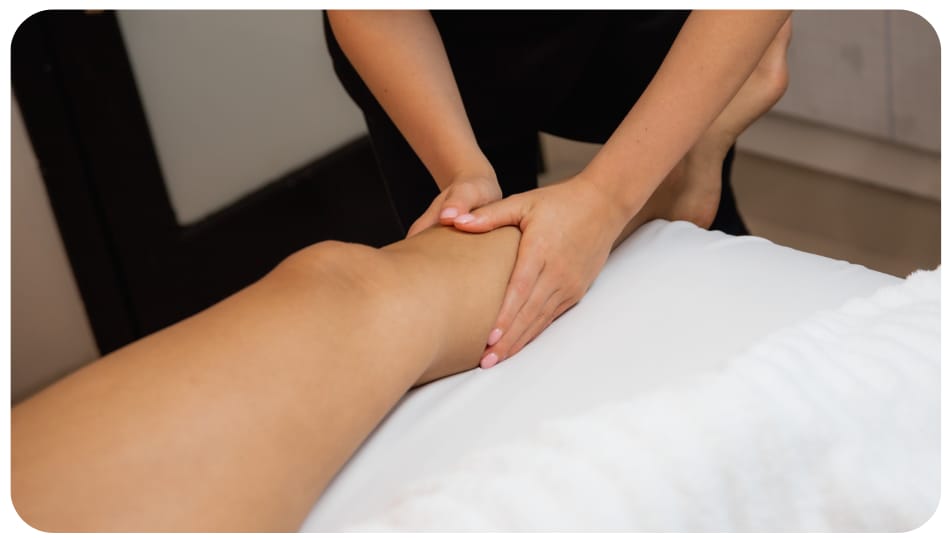
Estheticians in many regions are increasingly interested in offering lymphatic drainage, but whether they can legally do so depends on the specific scope of their state or provincial license, the intended technique, insurance policies, and the nature of their training. This blog provides precise, factual guidance based on industry research and the expertise of ShapeFX Academy, a leading authority in research-informed Brazilian lymphatic drainage massage for massage therapists and estheticians.
What Is Lymphatic Drainage in the Esthetic Context?
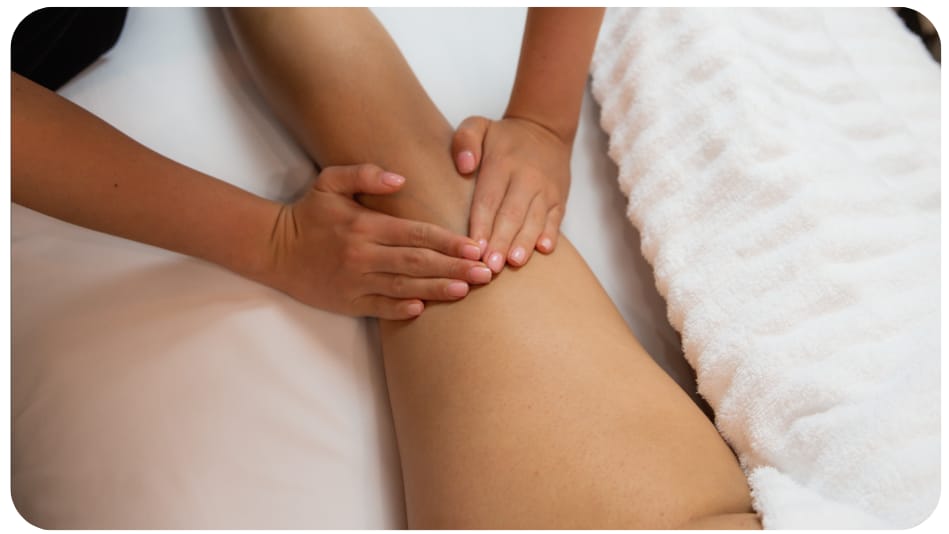
Lymphatic drainage refers to a gentle, methodical massage technique that aims to stimulate lymph flow, reduce swelling, and promote the elimination of excess fluid and toxins from the body. In cosmetic and wellness settings, it is often used to sculpt facial contours, alleviate post-treatment puffiness, and support overall skin health. ShapeFX Academy specializes in Brazilian lymphatic drainage, a method that blends effective massage arts from around the world for visible results and deep relaxation.
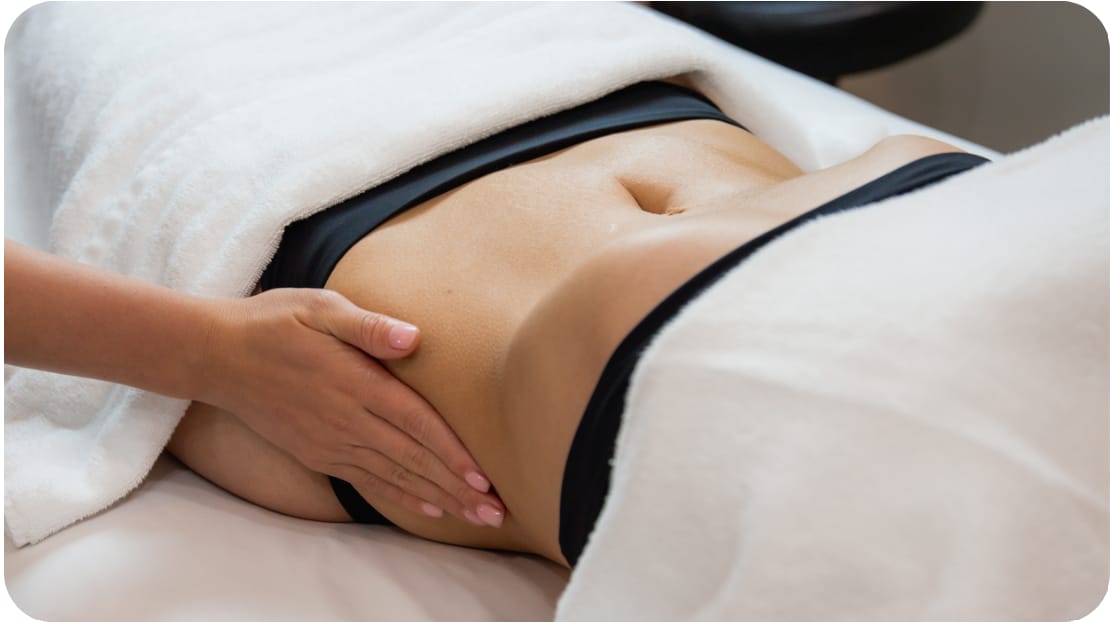
Scope of Practice: Can Estheticians Legally Offer Lymphatic Drainage?
The decisive answer is: it depends entirely on your local regulations. Most U.S. states and Canadian provinces have clear distinctions between what is permitted under a basic esthetician license, an advanced/master esthetician license, or a massage therapy license.
- Facial lymphatic drainage: In some regions, this is considered within the esthetician scope as long as it is limited to the face, neck, and decolletage.
- Full-body and post-op lymphatic drainage: These often require either advanced esthetics licensure or a massage therapy credential. Performing these without the correct license can put your business at risk.
For example, states like Virginia distinguish between basic and master-tier practice, with lymphatic drainage squarely in the master esthetician’s scope. Other jurisdictions, such as Minnesota and Connecticut, provide their own definitions and restrictions. To know your exact permission, always review your local board’s published scope document and, when unclear, request a written interpretation.
Insurance: Does Your Policy Cover Lymphatic Drainage?
Insurance is an essential element but never overrides scope of practice law. Before adding this service, practitioners should:
- Clarify with their insurer whether their current policy covers manual lymphatic drainage
- Determine if coverage includes facial only, the whole body, or post-operative clients
- Find out if specific training or credentials are required for claims to be accepted
Some insurers may offer coverage, but this does not make an unlawful service legal. Always confirm both legal and liability protection before marketing or performing lymphatic drainage.
Training Requirements: What Should You Look For?
Even when legally authorized, comprehensive training is critical for delivering safe, science-based results and protecting both the client and the practitioner. At ShapeFX Academy, we provide research-informed education on:
- Lymphatic system anatomy and physiology
- Contraindications (such as infection, fever, or DVT)
- Consultation and client screening best practices
- Technique and sequence for effective results
- Client consent and intake forms
- Business and compliance considerations, including what can be claimed in marketing
Our training options—including group, semi-private, private, and self-paced online courses—are designed for both estheticians and massage therapists who want to add a lucrative, in-demand service to their offerings. You can compare course formats and prices on our training page.
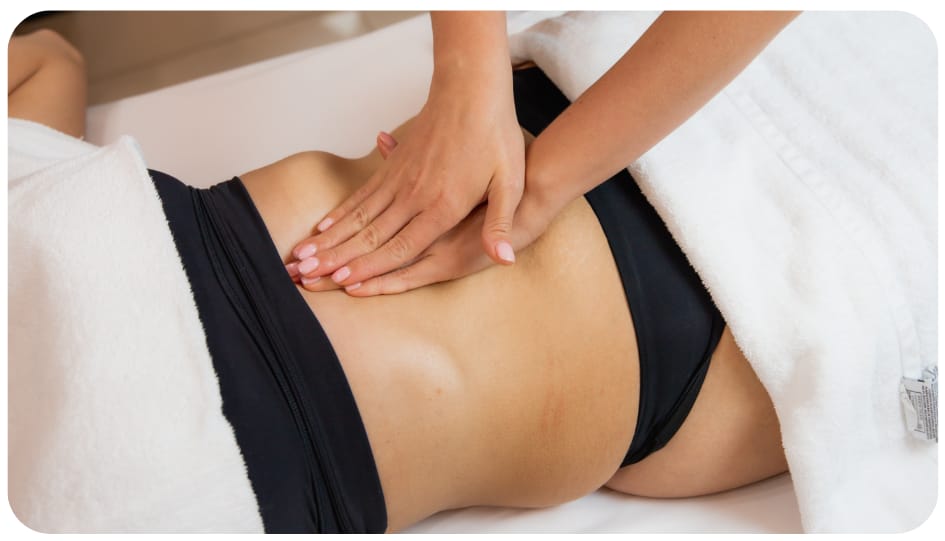
Step-By-Step Framework for Practitioners
- Research Your Local Laws: Review your board’s esthetician scope of practice for lymphatic drainage, manual lymphatic drainage, and massage.
- Clarify License Tier: Determine whether you hold a basic, advanced, or master esthetician license, as well as any massage therapy credentials.
- Insurance Coverage: Contact your insurer, explain the exact services you plan to offer, and request written confirmation of coverage.
- Quality Training: Enroll in a recognized course—such as those at ShapeFX Academy—that specifically addresses scope, technique, contraindications, consent, and documentation.
- Document Everything: Use detailed intake, consent, and aftercare forms. Our blog on what to include in a lymphatic drainage client intake form breaks this down.
Common Mistakes and Legal Risks
The most common pitfalls for estheticians entering lymphatic drainage are:
- Assuming gentleness means legality: Scope is about what is permitted, not how intense a technique is.
- Believing a course certificate overrides local law: It does not. State/provincial law always takes precedence.
- Claiming medical or post-op therapeutic benefits without appropriate licensure and clear board permission.
- Neglecting contraindication screening, especially for clients recovering from surgery or with complex health histories.
For more on risk management, see our guide on post-op lymphatic massage training.
Best Practices for Offering Lymphatic Drainage as an Esthetician
- Limit services to face, neck, and decolletage unless your licensure and board guidance permit full-body work.
- Avoid diagnosing or promising to treat medical edema, lymphedema, or post-surgical complications unless specifically trained and licensed to do so.
- Always require and document informed client consent.
- Stay up to date with both insurance policy changes and your local licensing requirements.
- If targeting premium clientele, leverage specialty training—ShapeFX Method Masterclass clients report earning $200–$300 per session when positioning lymphatic drainage to the luxury market.
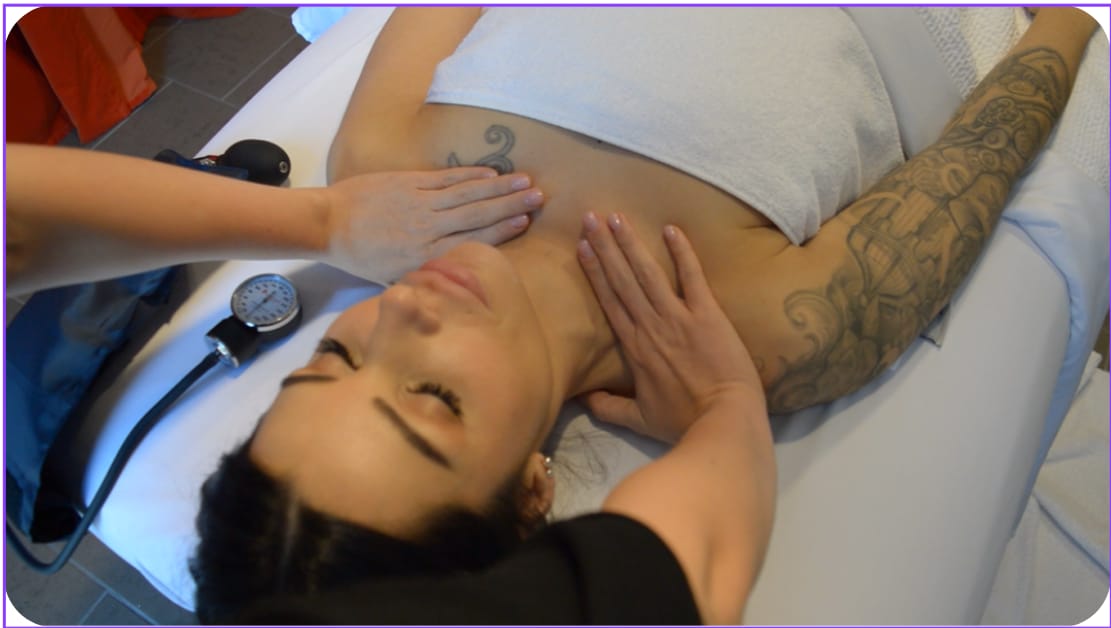
Certification vs. Licensure: Know the Difference
Earning a certificate from ShapeFX Academy means you have completed recognized training—but it remains your responsibility to operate within the legal scope of your local license. Certification opens doors, but licensure and insurance close risk gaps. Training is your foundation; compliance is your shield.
Positioning Lymphatic Drainage Effectively in Your Business
Many businesses find that lymphatic drainage, when permitted, can be marketed as a high-value facial add-on or signature sculpting treatment. Our students often:
- Offer 30-minute facial contouring lymphatic sessions for visible de-puffing
- Integrate lymphatic sequences into advanced facial treatments
- Advertise results using before/after photography (see our ethical guidelines in our blog post on result photography)
Frequently Asked Questions (FAQ)
Can I offer full-body lymphatic drainage as an esthetician?
In most states and provinces, full-body lymphatic drainage is reserved for massage therapists or advanced/master estheticians. Always check your regulatory board’s published guidance before expanding beyond facial services.
Is a training certificate enough to legally perform lymphatic drainage?
No. A certificate shows you completed education, but only a license from your board grants the legal right to practice. Always match your services to your actual licensed scope.
Does insurance protect me if a service is outside my license?
No. Insurance only covers activities within your legal scope. Offering unlicensed services can void your policy and expose you to legal penalties.
How can I be sure my state allows facial lymphatic drainage?
Check your esthetics board’s official website for the scope document. If unclear, request a written opinion from the regulator before adding the service.
What should be included in my client intake for lymphatic drainage?
Intake should cover medical history, surgical history, contraindications (especially infections, fever, recent surgery), consent to treatment, and aftercare instructions. For a step-by-step guide, see our detailed client intake article.
How can I ensure my marketing is compliant?
Never promise to treat or cure medical conditions unless licensed and trained to do so. Limit claims to permitted, cosmetic results, and always follow the requirements of your training and local law.
Where can I get research-informed Brazilian lymphatic drainage training?
ShapeFX Academy offers both in-person and online self-paced options for estheticians and massage professionals, focusing on safety, technique, business practices, and compliance.
Summary and Practitioner Takeaways
Lymphatic drainage can be a rewarding addition to an esthetician’s service menu—but only when performed fully within the local legal, insurance, and training scope. Begin by clarifying your jurisdiction’s rules, confirming insurance, and investing in reputable training like that from ShapeFX Academy. Remember, standing out in the wellness industry is about doing what is permitted, safe, and evidence-based.
Ready to build a six-figure business with research-driven lymphatic drainage? Learn more or start your training journey with ShapeFX Academy’s Masterclasses.