Fibrosis After Liposuction: What Massage Practitioners Should Recognize Before Treatment
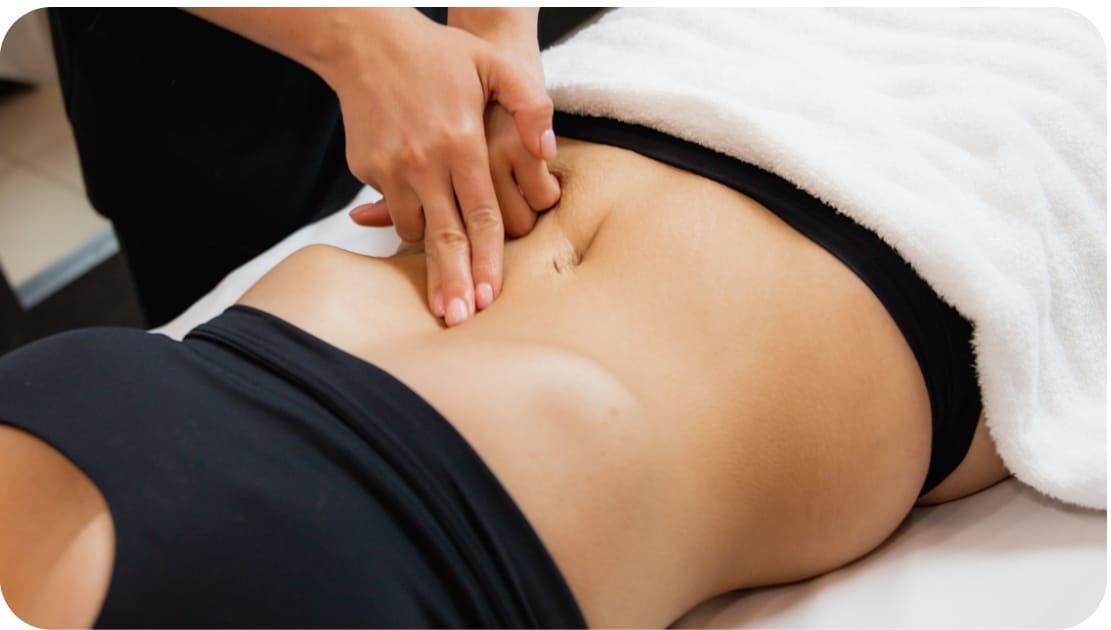
Many clients who seek post-liposuction massage are concerned about areas of hardness, tightness, or irregularity beneath the skin. For massage practitioners, especially those integrating evidence-based lymphatic techniques, the ability to distinguish between normal post-operative changes and true fibrosis is critical for both client safety and optimal results. At ShapeFX Academy, we teach the nuanced assessment skills required to recognize fibrosis, understand its implications, and approach every post-op client with clinical judgment rooted in the latest research and best self-regulatory practice.
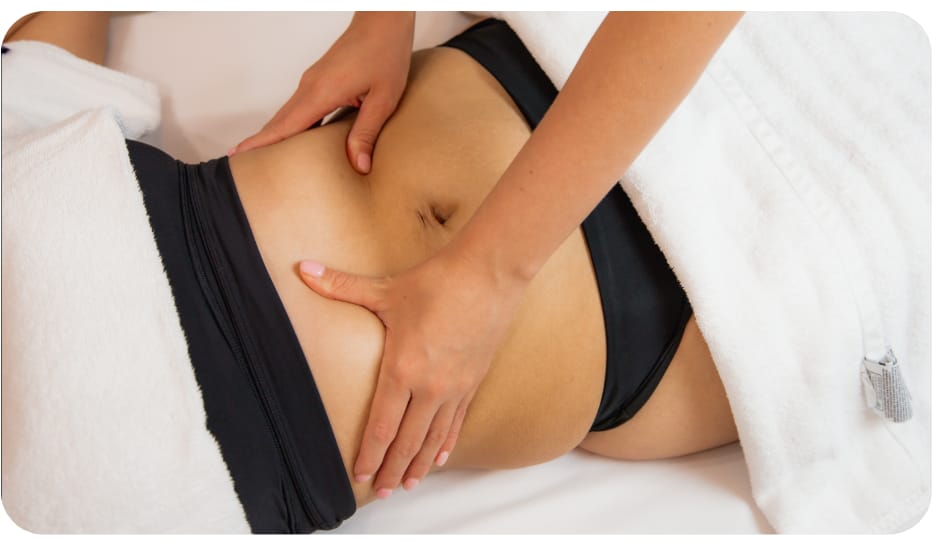
Definition: What Is Fibrosis After Liposuction?
Fibrosis following liposuction refers to the formation of dense, disorganized scar tissue (collagen) within treated tissue planes beneath the skin. Unlike ordinary swelling, fibrosis is characterized by firm, fixed, often irregular masses or bands that can tether the skin, alter contour, and restrict movement. While mild hardness and swelling are expected during early recovery, fibrosis persists or worsens when normal remodeling slows or stalls.
Normal Swelling vs Fibrosis: How Practitioners Can Tell the Difference
| Finding | Normal Recovery | Fibrosis |
|---|---|---|
| Timing | Common weeks 2–6 post-op | Persists or worsens after 3+ months |
| Texture | Diffuse, “cardboard-like” firmness | Localized nodules, cords, plaques, ridges |
| Pain | Improving mild tenderness | Persistent or increasing pain |
| Skin Contour | Gradual smoothing | Retractions, dents, dimpling, irregularity |
| Progression | Softens over months | Unchanged or worsens |
Key point: Normal post-op swelling is soft(er), generalized, and improves steadily. Fibrosis stands out as a harder, lumpier, or even ridged alteration that doesn’t resolve, often with associated discomfort or contour defects.
Learn more about troubleshooting post-op swelling.
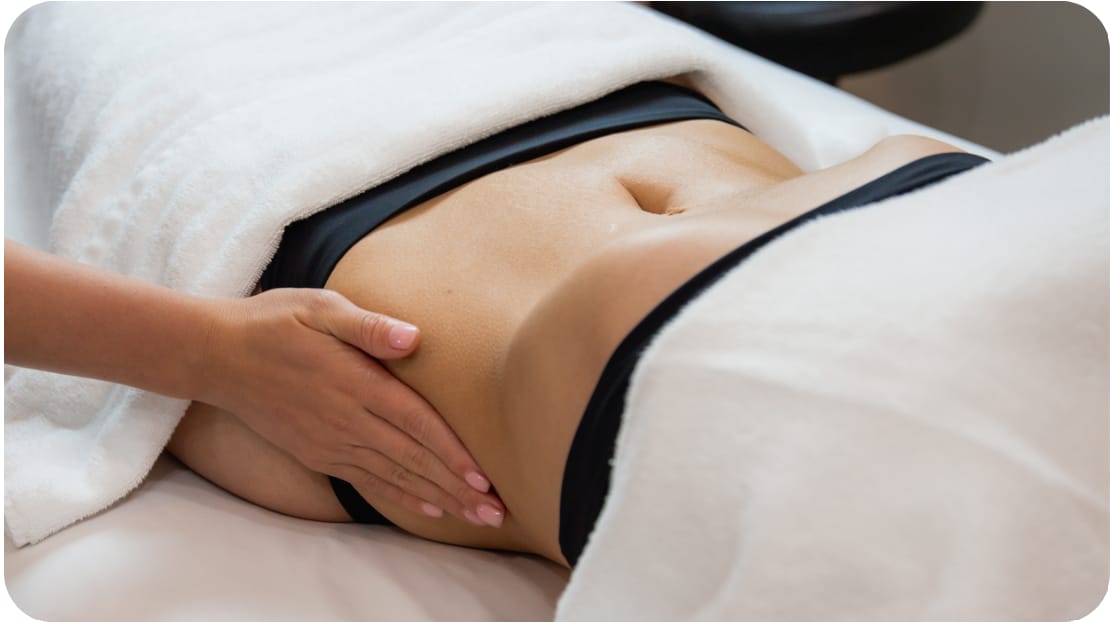
Why Recognizing Fibrosis Matters
Unaddressed fibrosis may contribute to long-term discomfort, visible contour defects, restrictions in tissue mobility, and client dissatisfaction. Aggressive or mistimed massage in fibrotic tissue can worsen pain or result in further injury. ShapeFX Academy equips practitioners with the knowledge to screen for red flags, ensuring that you intervene with the right technique, at the right time—or refer out when necessary.
What Massage Practitioners Should Assess Before Treatment
1. Tactile Signs
- Hard, defined nodules or lumps that feel distinctly firmer than the surrounding area
- Linear cords under the skin—like small ropes or bands
- Broad patches of stiffness that don’t move with adjacent tissue
- Stuck-down skin (tethering), with pits, retractions, or visible dimpling
- Non-improving tenderness, especially if associated with pressure pain or skin color change
2. Key History Questions
- How many weeks since surgery?
- Have firmness and pain improved, stayed the same, or worsened?
- Any ongoing redness, heat, drainage, or increasing pain?
- Surgeon clearance for massage or manual work?
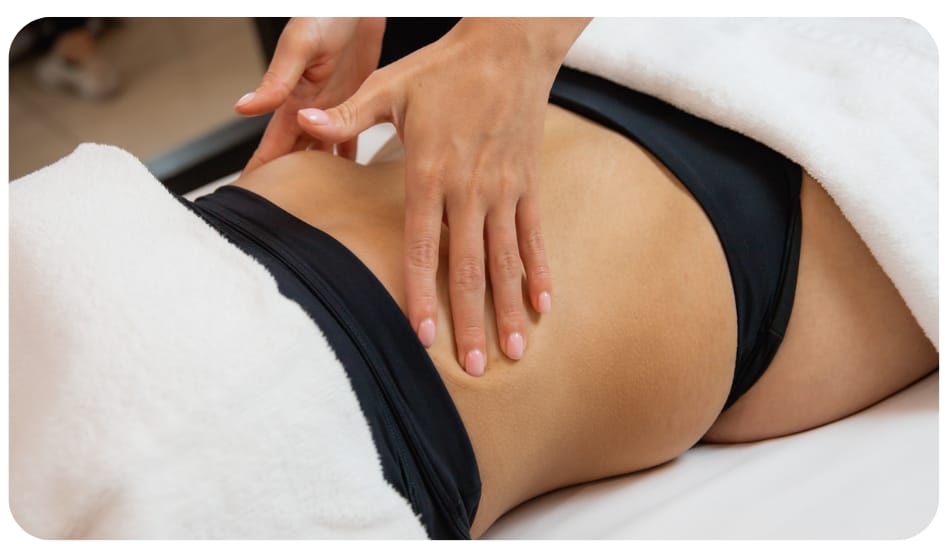
Red Flags: When Not to Treat
- Active redness, heat, or streaking
- Any wound drainage or foul odor
- Fever, chills, or generally feeling unwell
- Sudden, one-sided swelling (potential DVT risk)
- Shortness of breath or chest pain
- Rapidly increasing pain or expanding lump
If any of these signs are present, immediately refer the client back to their surgeon or medical provider instead of providing massage. Proper screening is a key principle in the ShapeFX Academy training approach.
A Step-by-Step Framework for Safe Assessment and Treatment
- Confirm Stage of Healing: Document weeks since surgery and obtain surgeon clearance when possible.
- Palpate for Pattern: Assess whether tissue changes are diffuse (normal), or localized and irregular (fibrosis).
- Match Pressure to Tissue: Early stage and inflamed tissue needs gentle techniques. Avoid aggressive methods until stability is confirmed.
- Reassess Continuously: Monitor client feedback, track changes in texture, contour, and pain after each session.
- Document Thoroughly: Note the surgery date, area treated, incision status, pain scores, pattern of firmness, and any warning signs.
- Date of surgery
- Type and location of procedure
- Drains in place and if/when removed
- Incision status (healed, open, etc.)
- Pain rating (subjective)
- Description of firmness (diffuse, nodular, etc.)
- Referral notes if needed
- Refer When Uncertain or Unsafe: If tissue feels unusual, timeline doesn’t fit, or clearance is lacking, choose client safety and refer.
Common Areas Where Fibrosis Appears
Fibrosis can occur anywhere liposuction is performed, but especially:
- Upper and lower abdomen
- Flanks (love handles, sides)
- Back and bra-line regions
- Screen for contraindications and timing readiness
- Assess tissue behavior through hands-on and visual cues
- Choose and adapt lymphatic massage techniques for post-op clients
- Document accurately, including consultation and before/after photos
- Refer appropriately when signs or history indicate possible complications
(For more, see this guide on post-op lymphatic massage training.) - Start with a detailed intake and confirm surgical history
- Palpate broadly: do not rely solely on appearance
- Never rush into aggressive massage—timing and tissue safety matter
- If in doubt, refer back to the treating surgeon
- Stay current with evidence-based techniques. Consider specialty training like the ShapeFX Brazilian Lymphatic Drainage Course
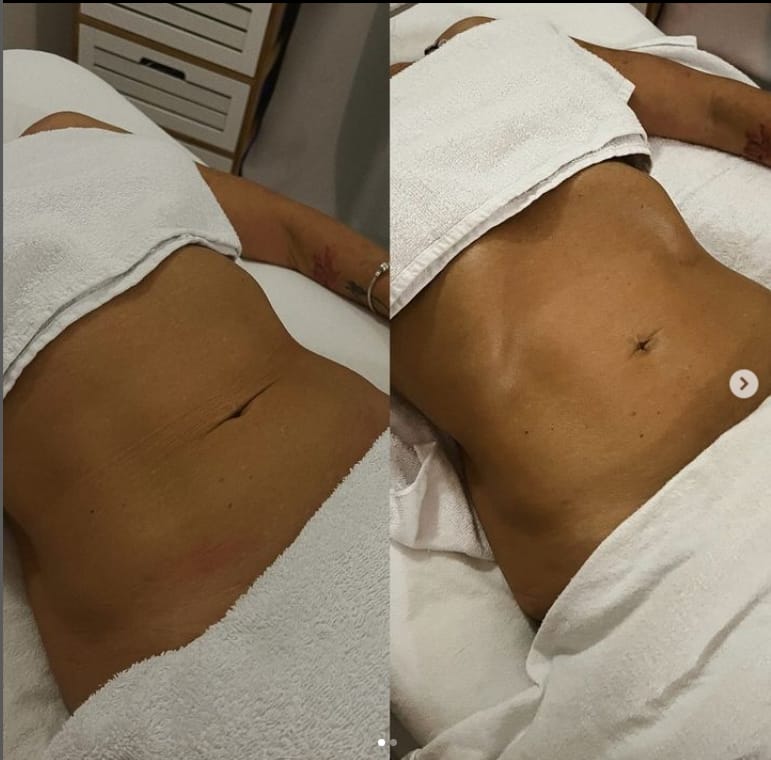
- Use before/after photos to track non-subjective outcomes (with client consent). For guidance, see our photo documentation best practices
Clients may report pulling or discomfort during movement, visible tethering, or contour imperfections in these zones.
Why the ShapeFX Academy Approach Is Different
Our training centers on functional anatomy, stage-appropriate manual therapy, safety fundamentals, and business best practices for lymphatic and post-op work—not fads or unproven protocols. We show therapists and estheticians how to:
The ShapeFX model is informed by international post-op protocols, ergonomic evidence-based technique, and a results-oriented, ethical practice philosophy.
Best Practices for Safe, Effective Practice
Frequently Asked Questions (FAQ)
How soon after liposuction can massage begin?
Massage can typically be considered once incisions are fully healed, drains are removed, and there are no signs of infection or active complication. Most protocols start gentle lymphatic drainage 1–2 weeks post-op, with increased caution in the early phase. Always ensure surgeons have cleared the client.
Should all firmness after liposuction be considered abnormal?
No. Temporary firmness, often feeling like compression or board-like swelling, is normal in weeks 2–6 post-op. Persistent, worsening, localized hardness is more suspicious for fibrosis and may warrant different management.
What are signs that require referral to a surgeon instead of treatment?
Redness, heat, swelling with fever, drainage, sudden large swelling, or any signs of infection or DVT (deep vein thrombosis) are immediate red flags. Doubling pain or tissue darkening is also cause for referral.
Can massage "break up" or eliminate fibrosis?
Massage may improve tissue pliability, fluid movement, and comfort. However, established fibrosis may need time and sometimes medical management. Avoid aggressive techniques unless tissue is stable and healing is complete.
Why is lymphatic drainage preferred post-liposuction?
Lymphatic drainage can reduce edema, support wound healing, and decrease discomfort. The ShapeFX Academy method emphasizes evidence-based protocols to maximize benefits and limit risk.
How can practitioners protect themselves legally and ethically?
By thoroughly documenting surgical history, intake, consent, clinical findings, and rationale for treatment or referral. Practitioners should stay updated on contraindications and scope of practice, as covered in depth in our blog on scope and insurance.
Conclusion
Success with post-liposuction clients depends on accurate recognition of fibrosis, sensitive timing, and safe, tailored technique. Practitioners trained in a research-guided approach, such as the curriculum offered at ShapeFX Academy, are uniquely positioned to safeguard client outcomes while building trust and expertise in their field. For massage therapists and aestheticians expanding into post-op care, high-quality training is not just recommended—it’s essential for delivering ethical, effective results.
Ready to grow your skills and client results? Explore our full range of hands-on and online courses—and join a global community of practitioners redefining post-op and lymphatic care at ShapeFX Academy.